 By
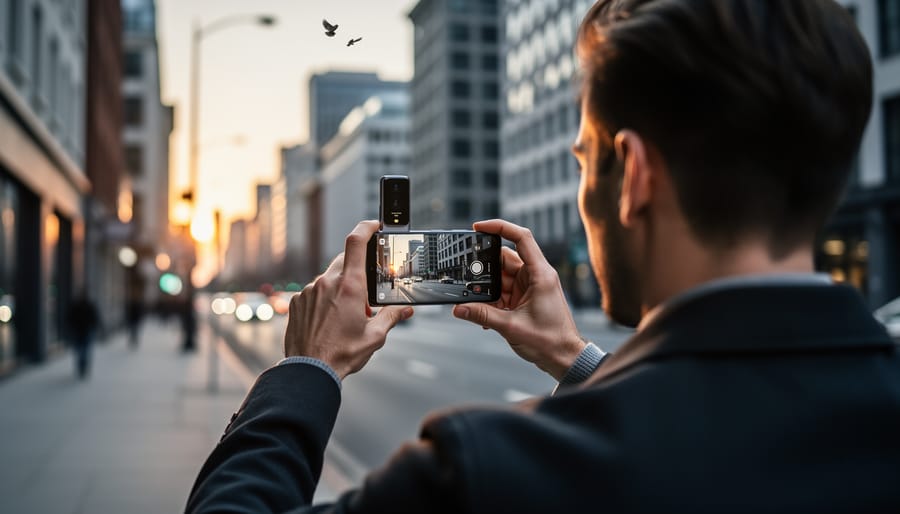
Mobile photography took a decisive leap forward in 2026 with the widespread adoption of periscope camera systems, transforming how smartphones capture distant subjects. This technology, which uses a prism to bend light at a 90-degree angle and route it through an internal mirror system, allows manufacturers to pack serious optical zoom power into devices that still slip into your pocket. The periscope zoom lens market is growing at 7.7% annually through 2033, and with rumors now circulating about a 160MP periscope sensor in development, we’re witnessing the moment when smartphone telephoto capabilities genuinely rival what dedicated cameras offered just a few years ago.
What makes this shift particularly exciting for photographers is the practical freedom it unlocks. Where you once needed to carry a second body with a telephoto lens for travel, wildlife, or street photography, today’s flagship phones deliver compelling results at distances that previously required specialized glass. Samsung has refined periscope systems across multiple Ultra model generations, and both the iPhone 17 and Google Pixel 10 now compete in this space alongside the Galaxy lineup. The question isn’t whether periscope cameras matter to your photography anymore. It’s understanding which implementation delivers the image quality and focal length you actually need, and whether the current crop of phones finally makes a dedicated telephoto redundant for your shooting style.
What Changed: The Periscope Camera Revolution Arrives
For years, smartphone cameras hit a hard limit: physics. You couldn’t get serious optical zoom without making phones impractically thick, so manufacturers leaned on digital zoom and computational tricks. 2026 marks the year that barrier finally crumbled. The periscope lens mirror design has matured from experimental tech to mainstream reality, fundamentally changing what’s possible in your pocket.
The engineering is elegantly simple. Traditional camera lenses stack glass elements in a straight line perpendicular to the phone’s back, which limits how long the optical path can be. Periscope systems rotate that path 90 degrees. A prism or mirror redirects incoming light along the phone’s length instead of its depth, giving lens designers the physical space they need for telephoto optics. Samsung pioneered this approach in their older Ultra models, using a prism to bend light and fit what would otherwise require a camera bump thicker than the entire phone.
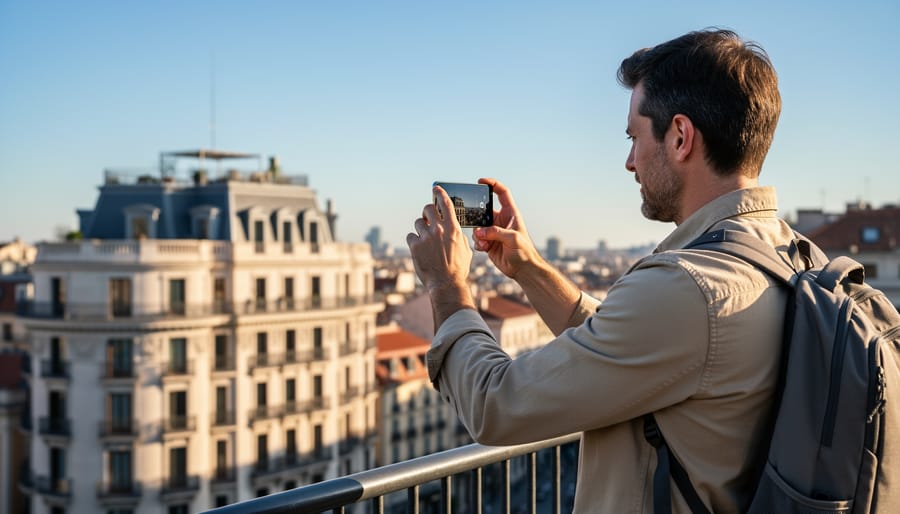
Why does this matter beyond specs? Because it delivers the one thing smartphone photographers have craved since the category existed: reach. You can now shoot wildlife from a respectful distance, isolate subjects with genuine compression, and capture architectural details across a plaza without walking closer. The zoom stays optical, preserving detail that digital cropping destroys. It’s the difference between a usable shot and a pixelated mess.
The shift hasn’t been smooth. Patent battles slowed adoption, but the technology’s value proved irresistible. Now, periscope cameras are standard equipment on flagship phones, not exotic experiments. That’s the revolution: telephoto photography that actually works, in a device you already carry.
Key Developments in 2026 Smartphone Cameras
1. The 160MP Periscope Camera Leak
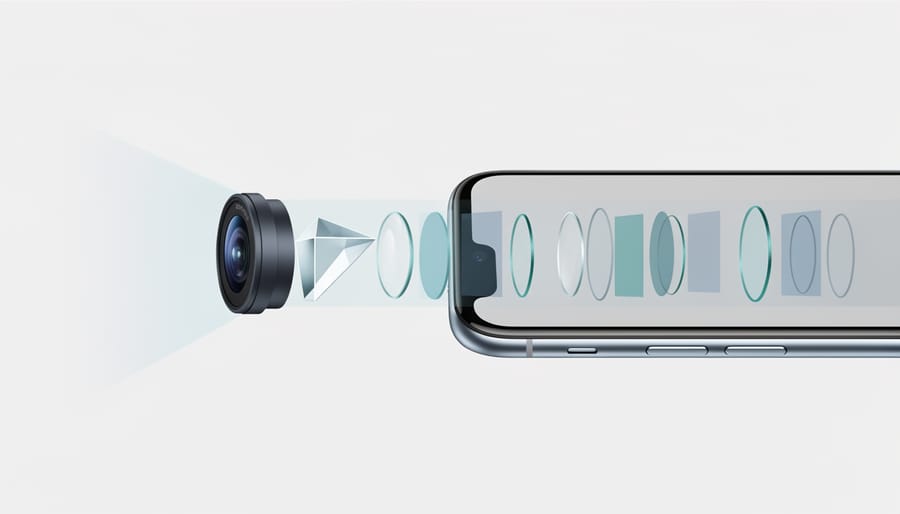
The 160MP periscope camera leak represents the most significant resolution jump we’ve seen in smartphone telephoto systems. According to a 160MP periscope lens rumor this system combines the optical advantages of periscope design with a sensor that’s roughly triple the resolution of current flagship telephotos. For photographers, this means dramatically better cropping flexibility, you can punch into your frame and still maintain enough detail for large prints or social media.
The practical benefits show up most clearly in wildlife and sports photography, where you’re often shooting at maximum zoom and need room to crop tighter in post. A 160MP periscope sensor would let you capture a distant subject, then crop to maybe 30% of the frame while still retaining 50MP of usable resolution, more than enough for professional output. Compare that to current 50MP periscope systems where aggressive cropping quickly reveals noise and softness.
Digital zoom quality improves substantially too. Most phones use pixel-binning to create zoomed images beyond their optical range, combining sensor data with computational processing. With 160MP of native data to work from, the algorithm has vastly more information to produce clean results at intermediate zoom levels. Think of it as the difference between upscaling a 12MP file versus a 48MP file, you’re starting with a richer foundation.
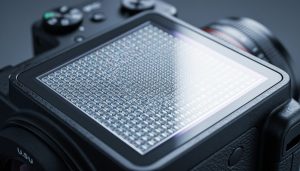
The sensor size matters here as well. Fitting 160 million pixels onto a periscope module requires either a larger sensor (better light gathering) or smaller pixels (potentially more noise). Real-world performance will depend on how manufacturers balance this tradeoff, particularly in low-light conditions where telephoto systems already struggle compared to main cameras.
2. Market Growth: 7.7% CAGR Through 2033
The global Periscope Zoom Lens Market is projected to grow at a compound annual growth rate of 7.7% between 2026 and 2033. That’s not just a statistic for industry analysts, it’s a signal of major shifts coming to your pocket.
This growth rate tells us that manufacturers across the board are committing serious resources to periscope technology. When an emerging camera feature shows this kind of momentum, it typically means two things: the technology works well enough to justify the investment, and companies see clear consumer demand. We’ve seen this pattern before with features like optical image stabilization and multi-camera arrays, both of which started in flagship phones before trickling down.
For photographers, the practical implication is timing. Right now, periscope cameras remain largely confined to premium flagship devices. But sustained 7.7% annual growth suggests that within the next two to three years, you’ll find periscope systems in mid-range phones priced well below today’s flagship tier. The economics of scale kick in as more manufacturers adopt the technology and production costs drop.
This democratization matters because it changes the calculation for many photographers. If you shoot primarily with your phone but can’t justify flagship prices, the market expansion means waiting might deliver the optical reach you want at a price point that makes sense. Conversely, if you’re deciding whether to invest in periscope technology now, this growth trajectory suggests the feature isn’t going away, it’s becoming table stakes for serious smartphone photography.
3. The 2026 Flagship Lineup: iPhone 17, Pixel 10, and Galaxy Leadership
Three flagship models stand out as imaging leaders heading into 2026: the iPhone 17, Google Pixel 10, and Samsung Galaxy. These phones represent the pinnacle of where smartphone photography technology stands right now, each bringing distinct approaches to the periscope camera challenge.
Samsung holds a clear advantage in experience with this technology. The company integrated periscope camera systems into older Ultra models, using a prism to bend light at a 90-degree angle so the lens fits inside the phone’s slim chassis. This head start means Samsung engineers have already worked through the early technical hurdles, heat management, lens alignment precision, image stabilization at long focal lengths. Photographers considering Samsung’s 2026 lineup benefit from this proven track record, though the specific camera configurations for this year’s models remain unconfirmed.
Apple’s iPhone 17 enters the periscope conversation from a different angle. Apple typically waits to adopt new camera technologies until they can implement them at scale and integrate them seamlessly with computational photography. If the iPhone 17 includes periscope optics, expect tight integration with features like Deep Fusion and ProRAW processing. This matters for photographers who value consistency across shooting modes and reliable performance in varied conditions.
Google’s Pixel 10 brings computational photography expertise that’s already industry-leading. The Pixel line has consistently produced exceptional images through software intelligence, often matching or exceeding phones with superior hardware on paper. Adding periscope optics to Google’s processing algorithms could create a particularly compelling combination for photographers who shoot in challenging situations where pure optical quality needs computational assistance.
What these three models collectively represent is the maturation of periscope technology. When the industry’s three major players all invest in this approach, it signals genuine value rather than experimental novelty.
Why This Matters to Photographers
The periscope camera breakthrough matters because it solves a problem that’s plagued smartphone photographers for years: the physics of cramming genuine optical reach into a device that needs to slip into your pocket. These new systems deliver real telephoto performance, not the digital crop masquerading as zoom, which fundamentally changes what you can capture without hauling a camera bag.
For wildlife and sports shooters, the difference is immediate. A 160MP periscope system lets you frame a bird on a distant branch or isolate an athlete mid-play with optical magnification that actually preserves detail. You’re not just enlarging pixels; you’re compressing perspective and pulling subjects forward the way a proper telephoto does. That matters when the moment is fleeting and you can’t physically move closer.
Travel photographers gain the most practical advantage. Periscope cameras mean you can pack light, just your phone, and still capture the gargoyle on Notre-Dame’s upper tier or the pattern on a temple roof across a plaza. You’re no longer choosing between missing the shot or carrying a 70-200mm lens through a twelve-hour walking day. The optical quality bridges enough of the gap that the tradeoff actually makes sense.
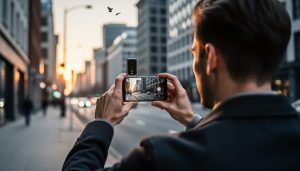
Street photographers benefit from the discretion. A periscope-equipped phone lets you work from comfortable distances without the visual weight of a telephoto lens signaling your intent. You can frame candid moments from across a café or capture expressions in a crowd without broadcasting that you’re shooting. The tool disappears while the capability remains.
The technology particularly excels in scenarios where physical constraints or social context limit your gear choices:
- Wildlife at distance when you can’t approach without disturbing the subject
- Architectural details on upper floors or across wide courtyards
- Event photography from mid-range where moving closer disrupts the scene
- Portrait compression effects that flatten perspective and isolate subjects
These use cases share a common thread: situations where the best camera isn’t the one with superior specs but the one you actually have with you that can still deliver the shot.
This shifts the smartphone-versus-camera debate from “which is better” to “which tool fits this specific job.” Periscope cameras don’t obsolete dedicated systems, a full-frame sensor and prime glass still offer advantages in resolution, dynamic range, and low-light performance. But they narrow the quality gap enough that the convenience factor tips the balance for more situations. You’re making an informed choice based on real capabilities now, not just accepting compromise because phones couldn’t deliver optical reach at all.
What to Watch: The Road Ahead for Smartphone Imaging
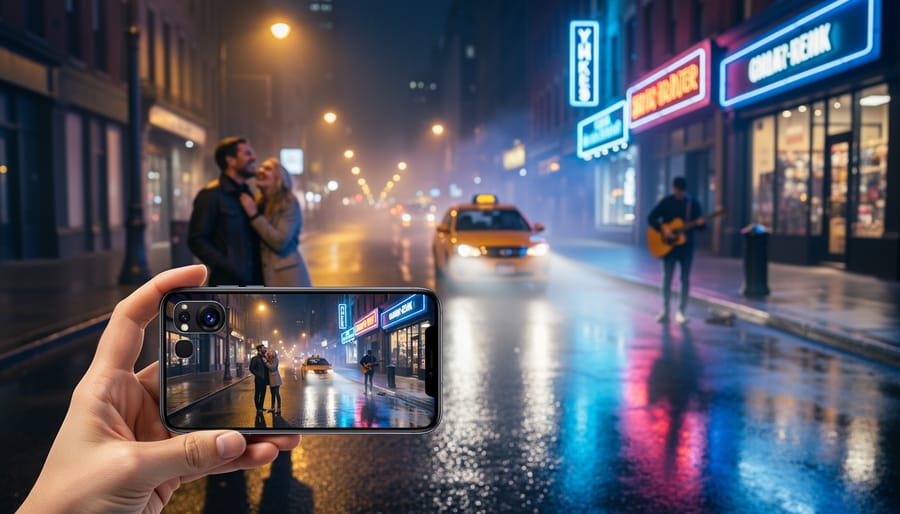
The 7.7% CAGR projection through 2033 tells us periscope technology won’t stay locked in flagship territory. Within 18 months, expect mid-range phones to adopt simplified periscope systems, likely single focal lengths rather than the multi-lens arrays in premium models. This democratization matters because it shifts periscope capability from a $1,200 decision to something accessible around $600-700.
Computational photography will evolve alongside the optics. The real breakthrough won’t be periscope lenses alone, but how AI processing handles the challenges they introduce, correcting chromatic aberration across longer focal lengths, managing diffraction at small apertures, and blending multiple exposures to overcome sensor size limitations. Watch for manufacturers who nail this integration rather than just adding periscope hardware.
Sensor technology presents the wildcard. The leaked 160MP system suggests a push toward resolution, but pixel density isn’t everything. More interesting developments will come from stacked sensor designs that improve readout speed and reduce rolling shutter, plus advancements in dual-gain architecture for better dynamic range. These improvements determine whether periscope cameras deliver in challenging light, not just perfect conditions.
For your next purchase timing depends on your current gear and shooting needs. If you’re using a phone from 2023 or earlier without any periscope capability, the 2026 flagships represent a legitimate upgrade. But if you’ve got a recent model with decent telephoto performance, waiting until 2027 makes sense, especially given ongoing supply chain chaos that could affect early production quality and availability. The second generation of any camera technology typically delivers better refinement than the first.
Common Questions About Periscope Smartphone Cameras
Periscope cameras represent a significant step forward in smartphone imaging, but they come with questions worth addressing before you invest.
How does image quality compare to dedicated cameras?
Periscope cameras deliver impressive optical zoom in a compact form, but they can’t match the larger sensors and faster apertures of DSLRs or mirrorless systems. They excel in good lighting conditions and offer convenience that dedicated cameras can’t, making them excellent for travel and everyday photography where carrying gear isn’t practical.
Are periscope systems durable enough for daily use?
The prism and mirror system that bends light at 90 degrees inside your phone is surprisingly robust, sealed within the phone’s housing to protect against dust and moisture. Samsung’s use of periscope systems in older Ultra models has proven the technology holds up well, though dropping your phone can still damage any camera system.
How do they perform in low light?
Low-light performance remains the biggest challenge for periscope cameras, as the narrower apertures required for the optical design let in less light than standard wide lenses. You’ll see more noise and slower shutter speeds in dim conditions, though computational photography helps compensate.
Is now the right time to invest in periscope technology?
With the market projected to grow at 7.7% annually through 2033, the technology is maturing rapidly and prices will likely drop as more manufacturers adopt it. If you need better zoom capabilities now, current flagship models deliver real value, but waiting six to twelve months could bring more options at lower price points.
One practical consideration that doesn’t get enough attention is how periscope cameras handle video recording. The longer focal lengths and stabilization requirements impact both file sizes and processing, which matters if you’re thinking about camera codecs and storage management. The 160MP sensor leak suggests manufacturers are pushing resolution hard, which means even larger files ahead.
The periscope camera revolution of 2026 marks a turning point for smartphone photography. This isn’t just incremental improvement, it’s a fundamental shift in what’s possible when you pull a phone from your pocket. The 160MP sensors, the widening market adoption signaled by that 7.7% growth rate, and the commitment from major manufacturers all point to periscope optics becoming standard equipment rather than exotic technology.
For photographers, the implications are clear. The gap between what you can capture with a smartphone and what requires a dedicated camera continues to narrow, particularly in scenarios demanding reach, wildlife, sports, travel, street work. That convergence doesn’t make traditional cameras obsolete, but it does change the calculation about what you need to carry and when.
If you’re considering an upgrade, weigh these developments against your actual shooting patterns. Do you find yourself wishing for more reach? Are you leaving your camera behind because of bulk? These new capabilities might solve real problems. But if you shoot primarily wide or don’t need optical zoom, the technology alone isn’t a reason to jump.
Stay informed as this technology matures through 2026 and beyond. We’re watching smartphone imaging and traditional photography capabilities move closer together, and that benefits everyone who cares about capturing better images.



 By