 By
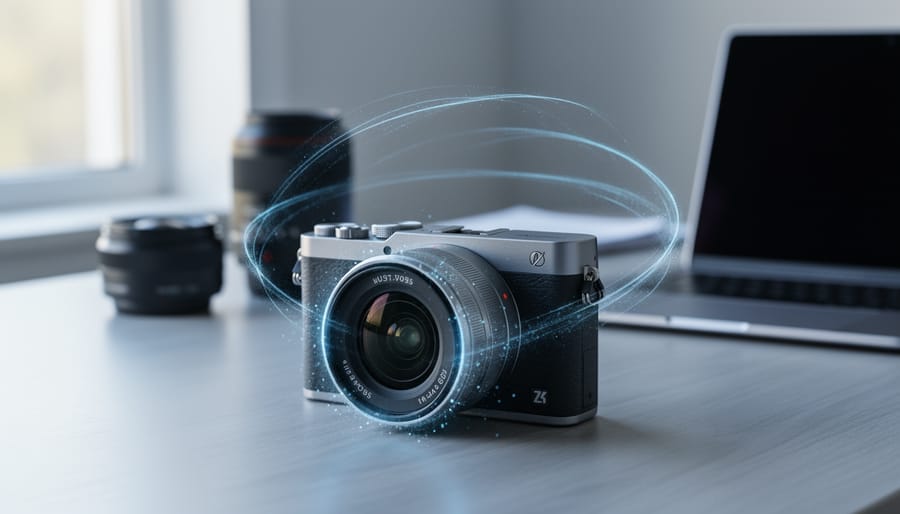
Digital camera trends refer to the emerging technologies, design shifts, and feature innovations that are currently reshaping how cameras are built, marketed, and used by photographers at every level. In 2026, these trends span everything from computational photography and AI-powered autofocus to the ongoing debate between mirrorless and DSLR systems, the rise of integrated content creation tools, and the push toward smaller, lighter bodies without sacrificing image quality.
Understanding these trends matters because the camera market moves fast, and what was cutting-edge two years ago can feel outdated today. Whether you’re planning your next gear purchase, trying to future-proof your kit, or simply curious about where the industry is headed, knowing which innovations are hype and which will genuinely improve your photography helps you spend smarter and shoot better.
This article breaks down the most significant digital camera trends shaping the market right now. You’ll learn how new sensor technologies are pushing dynamic range and low-light performance to new heights, why in-body image stabilization has become table stakes for serious shooters, and how video specs are influencing even stills-focused camera designs. We’ll explore different trend categories, from hardware advancements to software-driven features that turn your camera into a hybrid creative tool. You’ll also get practical guidance on evaluating which trends align with your shooting style and which you can safely ignore.
The goal is straightforward: give you the context and clarity to navigate a crowded, fast-evolving market with confidence.
What Digital Camera Trends Mean for Modern Photography
A digital camera trend is a significant shift in how cameras are built, what features they prioritize, and how photographers use them, driven by genuine technological breakthroughs rather than fleeting marketing buzzwords. Unlike temporary fads that vanish within a product cycle or two, real trends reshape the entire industry over several years, influencing design decisions across manufacturers and changing how we approach photography itself.
The difference matters because it affects how you invest in gear. A trend emerges when multiple forces align: manufacturers solve a technical limitation (like achieving usable autofocus in near-darkness), users consistently demand a capability (such as instant wireless transfer), and the technology becomes affordable enough for widespread adoption. These camera innovations then cascade through product lines, from flagship models down to entry-level bodies, fundamentally altering what we expect from our equipment.
To understand current developments, it helps to know the core concepts shaping cameras today:
- Computational Photography
- Using software algorithms and processing power to enhance images beyond what the sensor alone captures, enabling features like focus stacking, noise reduction, and dynamic range expansion in-camera.
- Sensor Evolution
- Advancements in image sensor design including stacked architecture, global shutters, and backside illumination that improve speed, reduce rolling shutter distortion, and boost low-light performance.
- AI Integration
- Machine learning systems that recognize subjects, predict movement, and automate complex tasks like subject tracking and scene optimization in real time.
- Connectivity Standards
- Protocols and technologies enabling faster wireless transfer, cloud backup, remote control, and seamless integration between cameras and other devices in your workflow.
- Form Factor Innovation
- Changes in physical camera design, from the shift to mirrorless bodies to modular systems and improved weather sealing, balancing portability with professional capability.
These trends directly impact your shooting experience and creative possibilities. When mirrorless designs became the trend rather than a niche option, photographers gained lighter kits without sacrificing image quality. When subject detection evolved from a gimmick to a reliable tool, wedding and wildlife shooters could trust their cameras to lock onto eyes and maintain focus through chaotic movement. Recognizing which developments represent genuine trends helps you time purchases wisely and adapt your technique to leverage new capabilities that actually improve your work.
How Digital Camera Trends Develop and Evolve
Camera trends don’t materialize from thin air, they emerge from a dynamic interplay between what photographers need, what technology makes possible, and what manufacturers can deliver profitably. Understanding this process helps you separate genuinely useful innovations from features that exist primarily to fill marketing slides.
The cycle typically starts with a pain point. Professional photographers struggle with autofocus tracking on erratic subjects, content creators need faster file transfers to smartphones, or wedding photographers want better low-light performance without adding bulk. These real-world frustrations create demand that manufacturers notice through customer feedback, forum discussions, and sales data for specific camera models.
Technological breakthroughs then provide the raw ingredients for solutions. A sensor manufacturer develops a new fabrication technique that enables global shutter capabilities, or processor advances make real-time subject recognition feasible without draining batteries in minutes. These innovations often originate in adjacent industries, smartphone computational photography, for instance, has accelerated development in areas like what is AI photography and automated scene optimization for traditional cameras.
Competitive pressure accelerates adoption. When one manufacturer introduces a compelling feature, say, advanced eye-tracking autofocus for animals, rivals must respond or risk losing market share. This competitive dynamic explains why certain features spread rapidly across brands within a generation or two, while others remain exclusive longer if they depend on proprietary technology or patents.
The journey from experimental to standard follows a predictable arc. A feature debuts in flagship models at premium prices, targeting professionals and early adopters who need the capability enough to pay for it. If adoption proves strong and the technology delivers measurable benefits, it trickles down to mid-range bodies within two to three years as component costs decrease and manufacturing processes mature. Eventually, successful features become baseline expectations, touch screens and Wi-Fi connectivity, once premium additions, now appear even in entry-level models.
Not every trend completes this journey. Some promising features stall because they solve problems too narrow to justify their cost, or because they create new complications that outweigh their benefits in daily use. Others get leapfrogged by superior approaches before they can establish themselves.
Major Categories of Current Digital Camera Trends
Sensor and Image Quality Advances
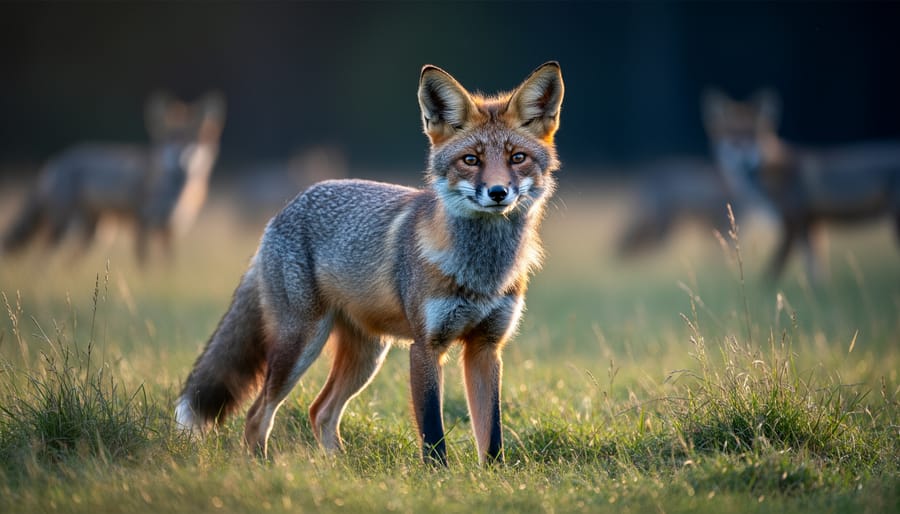
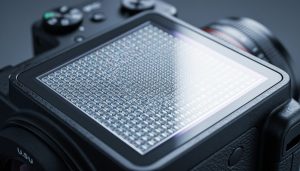
Today’s sensor innovations represent the most significant leap in image quality since the transition from film. Global shutter sensors eliminate rolling shutter distortion entirely, capturing every pixel simultaneously rather than scanning line-by-line. This matters most when shooting fast action, panning across a race car or capturing spinning propellers now produces clean results without the bent verticals or wobbling effects that plagued electronic shutters.
Stacked sensor designs layer processing circuitry directly beneath photodiodes, dramatically increasing readout speeds while reducing heat and power consumption. The practical benefit? You can shoot 20fps bursts with full autofocus tracking and zero blackout, turning decisive moment photography into picking the perfect frame from dozens of sharp options.
Dynamic range improvements now routinely deliver 15+ stops in cameras across price points, meaning you can expose for sunset skies while retaining shadow detail in foreground subjects without HDR bracketing. Wedding photographers are shooting ceremony halls with extreme contrast ratios in single exposures that would have required careful exposure blending just three years ago.
Low-light performance has reached the point where ISO 12,800 looks like ISO 1600 did in 2016. Wildlife photographers are capturing sharp images of nocturnal animals without flash, while event shooters work in ambient light that once demanded unreliable on-camera lighting. These sensor advances aren’t just incremental specs, they’re revolutionary camera tech expanding what’s possible to photograph well.
Computational Photography and AI Features
AI-powered features have moved from smartphones into dedicated cameras, fundamentally changing how cameras interpret and capture scenes. Modern cameras now analyze what you’re photographing in real-time, making split-second decisions that previously required manual adjustments or extensive post-processing.
Subject recognition represents the most visible shift. Current cameras can identify and track people, animals, vehicles, and even specific body parts like eyes or heads. When you’re photographing a bird in flight, the camera locks onto the eye and maintains focus even as the subject moves erratically across the frame. This same technology helps wedding photographers keep sharp focus on a bride’s face as she walks down the aisle, even when other people cross between camera and subject.
In-camera processing goes deeper than autofocus. Computational engines now stack multiple exposures in milliseconds to extend dynamic range, reduce noise in low light, or freeze motion without increasing shutter speed. The camera captures several frames at slightly different exposures or sensitivities, then merges them before writing a single file to your memory card. You see the benefit immediately in challenging lighting that would have produced blown highlights or blocked shadows just three years ago.
Some cameras now offer automated editing suggestions, analyzing composition, exposure, and colour to recommend adjustments. Real-time enhancement filters apply subtle corrections to skin tones, skies, or foliage as you shoot, with the option to save both processed and raw versions simultaneously for maximum flexibility later.
Form Factor and Design Evolution
Camera bodies in 2026 are shedding bulk without sacrificing capability. Mirrorless designs now pack professional-grade sensors and processing into frames 30-40% lighter than their DSLR predecessors, making all-day shooting less fatiguing. Manufacturers are rethinking button placement and grip depth based on actual usage data, resulting in controls that fall naturally under your fingers during fast-paced shoots.
Modular systems let you adapt one camera to multiple roles. Detachable grips, interchangeable viewfinders, and optional cooling modules mean you configure the body for today’s assignment rather than carrying separate cameras. Weather sealing has evolved beyond simple gaskets, new designs use precision-machined joints and nano-coatings that protect gear for the elements without adding weight.
The real innovation is balance. Compact bodies now accommodate professional battery grips, full-sized memory card slots, and robust lens mounts. You get portability for travel shoots and the solid platform needed for studio work with heavy glass, all in one package that doesn’t compromise either use case.
Connectivity and Workflow Integration
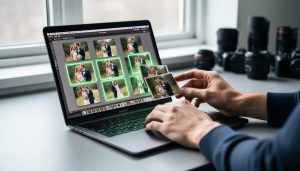
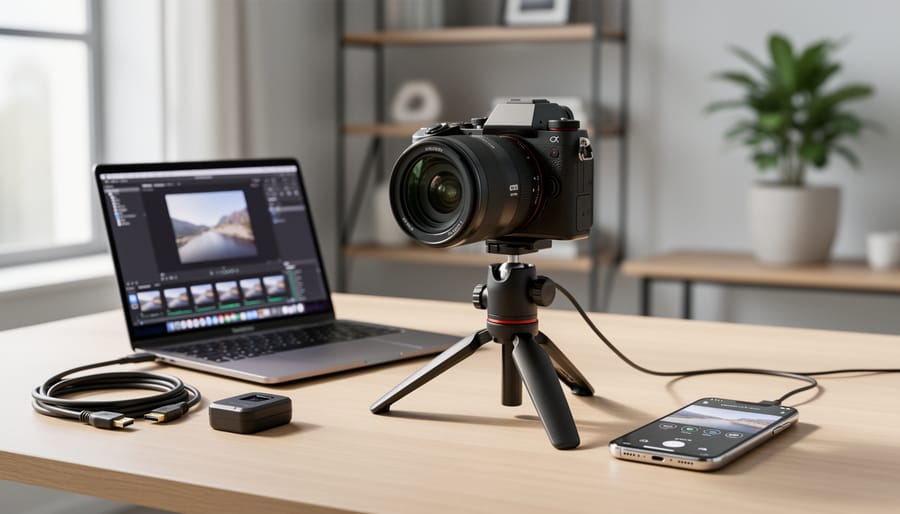
Wireless transfer speeds have jumped from frustrating bottlenecks to genuine workflow accelerators in 2026. Most mid-range and professional cameras now support WiFi 6E or even WiFi 7, letting you move RAW files to your phone, tablet, or laptop in seconds rather than minutes. This shift matters because photographers can cull and edit images during breaks, share client previews immediately, or post to social media without hauling out cables and card readers.
Cloud integration has moved beyond simple backup. Several camera systems now offer direct-to-cloud uploads through built-in cellular connectivity or tethered smartphones, automatically organizing files by shoot date and metadata. This eliminates the “did I back that up?” anxiety and creates redundancy the moment you press the shutter.
Remote shooting capabilities have expanded beyond studio work. Photographers control camera settings, review shots, and trigger the shutter from hundreds of feet away through smartphone apps, useful for wildlife hides, dangerous environments, or multi-camera event coverage.
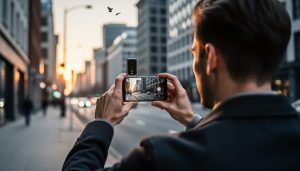
The strongest trend is seamless smartphone pairing that treats your phone as a natural extension of the camera, instant preview screens, GPS tagging, automated file transfers, and even using your phone’s computational power for on-location AI editing suggestions.
How Photographers Are Using These Trends
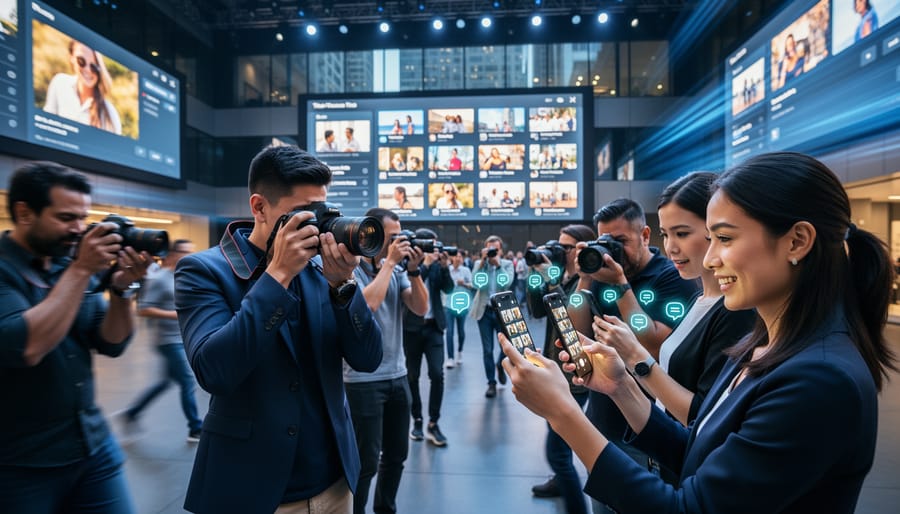
Wedding photographers are finding that hybrid autofocus systems and improved low-light sensors have transformed their workflow in tangible ways. Instead of worrying about focus accuracy during dimly-lit receptions, they can now shoot confidently at higher ISOs with cleaner results, capturing candid moments without intrusive lighting setups. The faster wireless transfer speeds mean they’re sharing preview images to couples within hours rather than days, meeting the modern expectation for quick social media posts while the celebration is still fresh in everyone’s mind.
Wildlife photographers have embraced AI-powered subject tracking as a genuine breakthrough rather than a gimmick. The cameras now recognize and follow specific animal types, birds in flight, running mammals, maintaining focus through vegetation and rapid movement in ways that previously demanded constant manual intervention. One nature photographer recently described how these systems let her concentrate on composition and timing instead of frantically adjusting focus points, resulting in a higher keeper rate during unpredictable wildlife encounters.
Portrait photographers are leveraging computational features differently, using in-camera eye detection to nail focus on their subject while simultaneously capturing multiple exposures for later blending. The improved dynamic range from modern sensors means they’re relying less on elaborate lighting setups for outdoor portraits, working with natural light more confidently even in challenging midday conditions. Some have adopted smaller mirrorless bodies precisely because clients find them less intimidating than traditional DSLRs, creating a more relaxed shooting atmosphere that yields better expressions.
These trends have created specific practical benefits across photography disciplines:
– Event photographers delivering same-day highlight reels thanks to faster editing workflows and wireless connectivity
– Wildlife shooters achieving sharp bird-in-flight images with success rates above 70% using advanced tracking systems
– Wedding photographers maintaining quality in low-light ceremonies without disruptive flash, preserving the natural atmosphere
– Portrait photographers syncing images directly to tablets for immediate client review during sessions
– Content creators publishing edited photos within minutes using in-camera processing and smartphone integration
– Sports photographers reducing post-processing time by half with more accurate initial captures
Content creators for social media have perhaps benefited most obviously from connectivity improvements. They shoot, edit basic adjustments in-camera, transfer via WiFi to their phones, and publish, all within minutes of capturing the image. What once required returning to a computer now happens on location, maintaining relevance in fast-moving social feeds where timing matters as much as quality. The smaller form factors also make these creators less conspicuous when shooting in public spaces, helping them capture authentic moments without drawing unwanted attention.
What to Consider When Evaluating Camera Trends
Not every camera trend deserves your money or attention. The challenge is separating genuinely useful innovations from features that sound impressive in marketing materials but add little to your actual shooting experience.
Start by examining how a trend solves a real problem you face. If you constantly miss focus on moving subjects, advanced eye-tracking autofocus addresses a concrete frustration. If you shoot exclusively static landscapes on a tripod, that same feature adds minimal value. Ask yourself: “Will this change how I shoot or improve my results?” rather than “Does this sound cutting-edge?”
Consider the maturity curve of each technology. First-generation implementations often come with compromises, shorter battery life, limited compatibility, or buggy performance. Global shutter sensors eliminated rolling shutter distortion in 2026, but early models commanded premium prices while offering modest improvements in other areas. Sometimes waiting a year means getting a refined version at half the cost.
Your existing workflow matters tremendously. Features like AI in photography can streamline editing for high-volume shooters, but they require different software, storage solutions, and sometimes cloud subscriptions. Calculate the total cost of adoption, not just the camera body price. A trend that demands you replace lenses, invest in faster memory cards, or upgrade your computer might not make financial sense yet.
Test the trend in real conditions when possible. Rent a camera with the feature you’re considering, or examine sample files from photographers shooting similar subjects. Specifications tell you what’s technically possible; real-world use reveals whether that capability translates to better photos in your hands.
Think about longevity and support. Some trends become industry standards within two years, making them safe investments. Others fade when the next innovation arrives, leaving you with an expensive camera built around outdated assumptions. Look at whether multiple manufacturers are adopting the trend and if it solves problems across photography genres, not just niche applications.
The best camera trend for you is the one that removes friction from your creative process without creating new headaches. Everything else is just noise.
Common Questions About Digital Camera Trends
Photographers navigating the fast-moving camera market often share similar concerns about when to upgrade, which features matter, and how to protect their investment. Here are answers to the questions we hear most often.
Do new camera trends make my current gear obsolete?
Not at all. A camera that produced great images last year still does today. Trends introduce new capabilities, but fundamental photography principles remain unchanged, and most professional work relies more on skill than the latest features.
How quickly should I adopt new camera features?
Wait for the second or third generation unless a specific trend solves a problem you’re currently facing. Early versions often have bugs and limited lens compatibility, while later iterations offer better reliability and ecosystem support at lower prices.
Which trends offer the best value for enthusiast photographers?
Improved autofocus systems and better low-light performance deliver noticeable benefits across most shooting situations. These trends directly improve your keeper rate and expand when you can shoot successfully, making them practical investments.
How can I future-proof my camera purchase?
Focus on mature lens systems with wide compatibility, strong battery life, and cameras from brands committed to firmware updates. Buying into an established ecosystem matters more than having every cutting-edge feature at launch.
Remember that trends exist on a spectrum. Some, like computational autofocus improvements, integrate seamlessly with existing workflows and require minimal learning. Others, such as fully cloud-based editing pipelines, demand significant workflow changes that may not suit every photographer’s needs or preferences.
The compatibility question matters more than most marketing suggests. Before chasing a trend, check whether it works with your current lenses, accessories, and editing software. A camera body with revolutionary features loses appeal quickly if it forces you to replace a lens collection you’ve built over years.
Learning curves vary dramatically between trends. Enhanced autofocus modes typically feel intuitive within days, while maximizing computational photography features might take months of experimentation. Consider your available time for learning alongside the feature’s potential benefit to your work.
Understanding digital camera trends empowers you to make gear decisions that actually support your creative work rather than chasing every new feature announcement. The most valuable trends are those that solve real problems in your shooting workflow, whether that’s faster autofocus for wildlife photography, improved low-light performance for event work, or seamless connectivity for content creators working on tight deadlines.
Remember that trends are tools, not mandates. A computational photography feature that transforms someone else’s work might be irrelevant to your style, while a subtle ergonomic improvement could make hours behind the camera significantly more comfortable. The photographers who get the most from current technology are those who evaluate innovations against their specific needs rather than adopting features simply because they’re new.
As camera technology continues evolving, stay informed through hands-on testing when possible, trusted reviews from photographers working in your genre, and honest assessment of whether a trend addresses a genuine limitation you face. The best camera for you in 2026 isn’t necessarily the one with the longest feature list, it’s the one that disappears into your process and lets you focus on making images that matter.
Keep learning, but trust your creative instincts. Technology should amplify your vision, not define it.


 By