 By
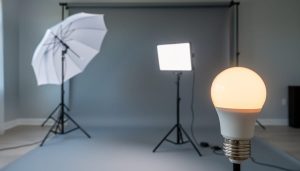
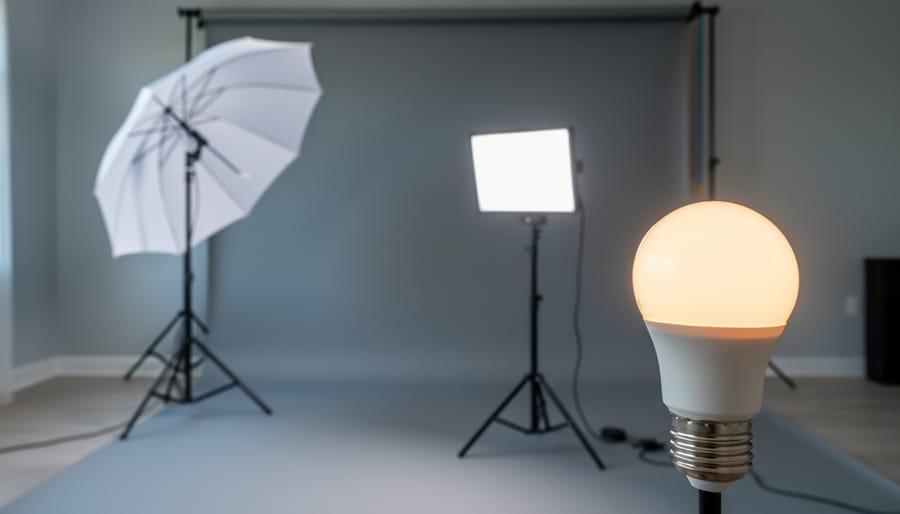
By The best lighting solution in 2026 depends on your specific use case, but LED technology now dominates the market for good reason: these systems deliver up to 75% energy savings compared to traditional bulbs, last up to 50,000 hours, and offer smart features that adapt to your workflow. Whether you’re illuminating a home studio for portrait work or need reliable general lighting that won’t distort color accuracy, understanding the real-world performance of options like …

What Is AI-Driven Product Photography (and How Does It Work)?
AI product photography uses artificial intelligence to generate, enhance, or modify product images without traditional studio setups, cameras, or even physical products in some cases. Instead of spending hours arranging lights and backdrops, businesses can now upload a single photo and let algorithms create multiple variations with different backgrounds, lighting conditions, and angles in minutes.
This technology has matured significantly since what is AI photography first emerged as a practical tool. What …
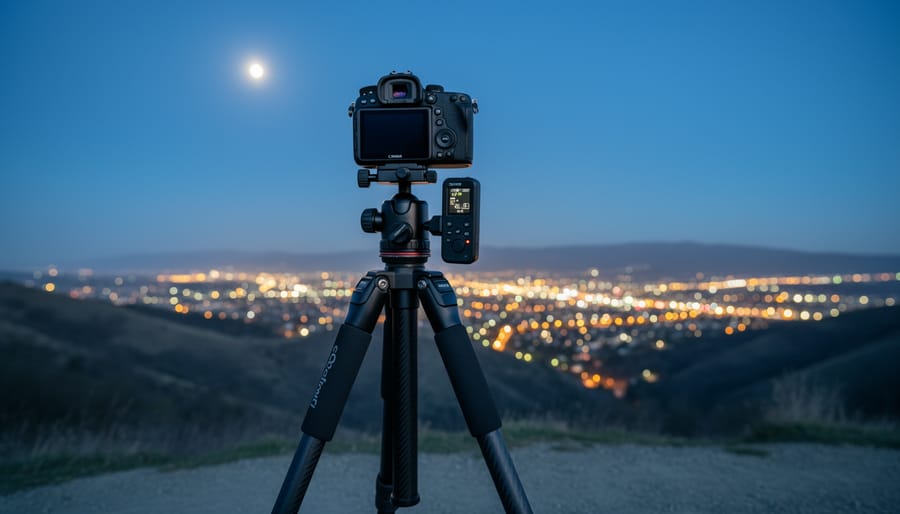
How to Shoot 4K Timelapse Video: A Complete Walkthrough for Cinematic Results
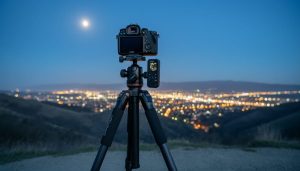
Creating professional 4K timelapse videos involves capturing hundreds or thousands of high-resolution still images at set intervals, then sequencing them into smooth video that compresses hours, days, or even months into seconds. The process requires a sturdy tripod, a camera capable of shooting 4K resolution (at least 3840 x 2160 pixels), an intervalometer to automate captures, and post-production software that can handle the substantial file sizes. Most photographers can master the fundamentals in a weekend, though achieving cinema-quality results takes practice with exposure management and motion control.
The appeal of 4K …
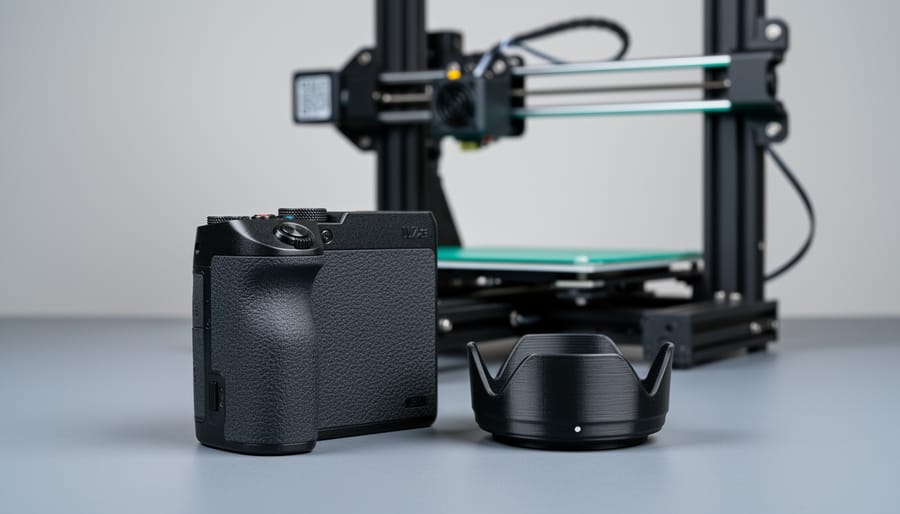
How 3D Printing Works (and Why It’s Reshaping Camera Manufacturing)
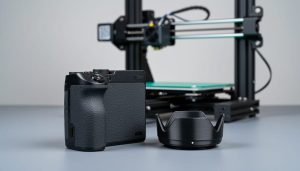
3D printing is an additive manufacturing process that builds three-dimensional objects layer by layer from digital designs, typically using plastics, resins, or metal materials. Instead of cutting away material like traditional manufacturing, a 3D printer deposits thin layers of material on top of each other until the complete object takes shape.
For photographers, this technology has quietly transformed how camera accessories and equipment reach your hands. Major manufacturers now use 3D printing to prototype…
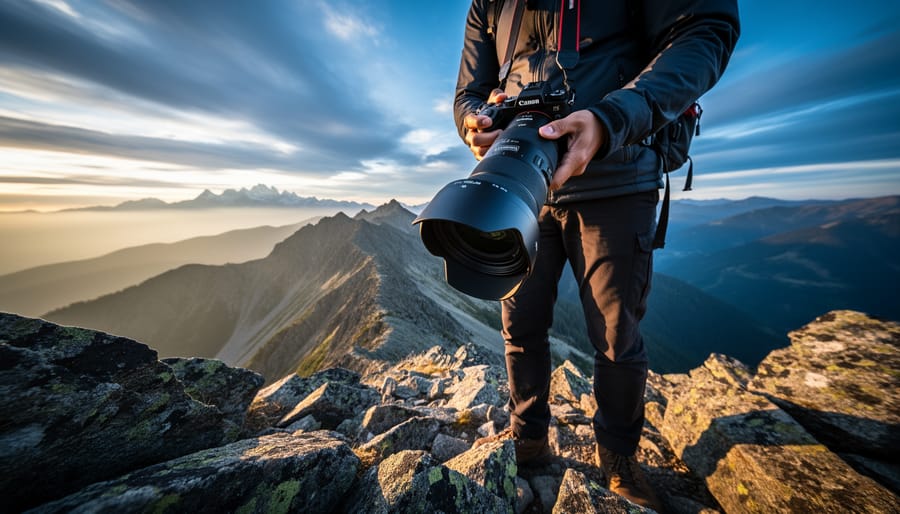
What Is a Good Wide Angle Lens for Canon (and How to Choose One)?
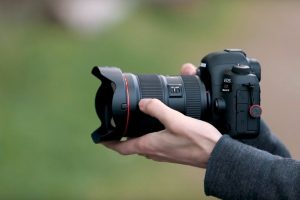
A good wide angle lens for Canon is one that offers a focal length between 10mm and 35mm (on full-frame cameras), delivers sharp edge-to-edge image quality, and matches your specific Canon mount type, whether that’s RF for mirrorless bodies or EF/EF-S for DSLRs. The difference between an average wide angle and a truly good one comes down to three factors: optical performance across the frame, build quality that holds up to real-world shooting, and …
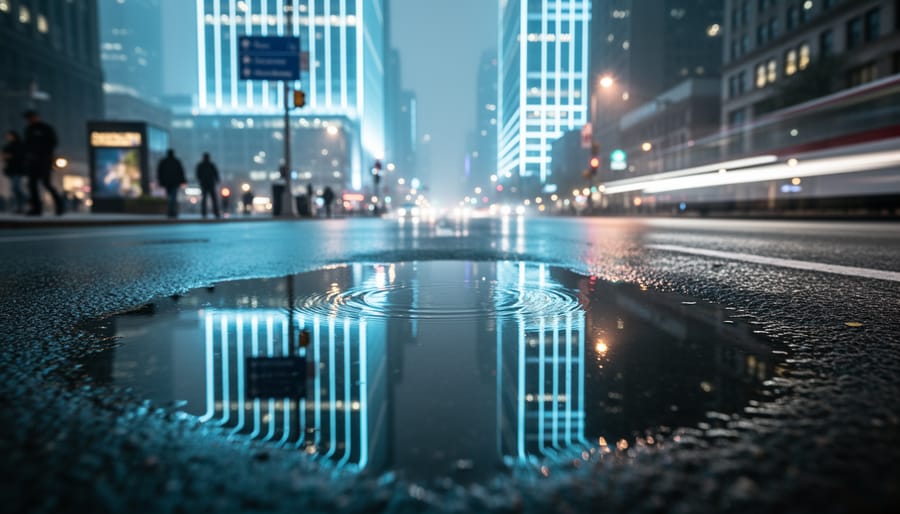
What Are Photography Reflections (and How Do You Capture Them)?
Photography reflections are images captured when light bounces off a surface like water, glass, metal, or polished stone and redirects into your camera lens. This optical phenomenon creates mirror-like duplicates, distortions, or abstract interpretations of a scene, offering photographers a way to add depth, symmetry, and visual intrigue to their work.
Reflections matter because they transform ordinary compositions into layered narratives. A puddle on a city street can frame towering skyscrapers in ways that comment on urban density. A storefront window might overlay pedestrians with mannequins, creating juxtapositions that speak to…
What Is Genlock Synchronization (and How Does It Work)?
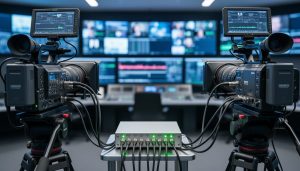
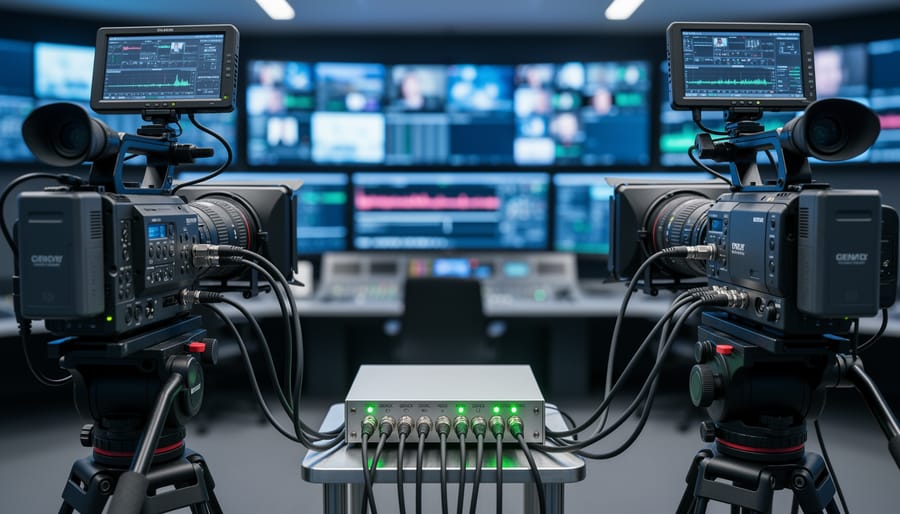
Genlock synchronization is a method of aligning the video signals from multiple cameras so they operate in perfect phase with one another, ensuring frame-accurate timing across all devices. Unlike timecode, which simply stamps each frame with a matching reference number, genlock actually controls the cameras’ internal clocks to sync their sensor readouts and frame generation at the hardware level.
If you’ve been shooting stills and recently moved into video production, especially multi-camera setups, you’ve probably heard genlock mentioned alongside timecode and wondered whether you actually need it. The short …
How to Clean Camera Lenses Without Scratching or Damaging Them
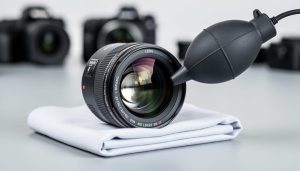
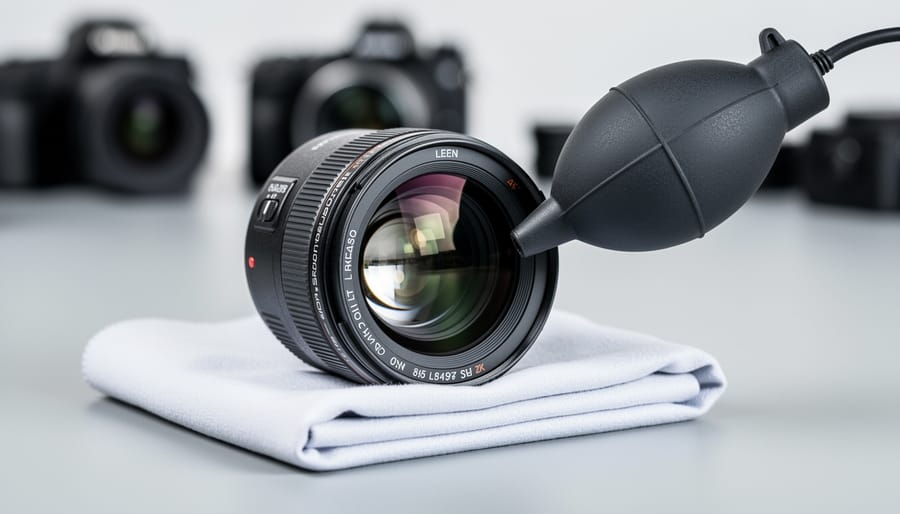
Cleaning a camera lens properly takes about five minutes and requires just three tools: a rocket blower, a microfiber cloth, and lens cleaning solution. The technique matters more than the products. Most lens damage doesn’t come from dust or fingerprints, but from aggressive cleaning with the wrong materials or unnecessary wiping when a simple puff of air would suffice.
Here’s what photographers get wrong: they clean too often and too roughly. That smudge you’re obsessing over in your viewfinder? It probably won’t show up in your images unless you’re shooting at f/16 or smaller. A few specks of dust are…

How to Shoot Editorial Food Photography That Tells a Story
Editorial food photography transforms ingredients and dishes into compelling visual stories designed for magazines, cookbooks, and feature articles. Unlike commercial or advertising work that prioritizes product perfection, editorial images capture authentic moments, celebrate imperfections, and build a narrative around food culture, cooking processes, and the people behind the meals.
At its core, this style requires a different mindset from standard food photography. You’re not simply documenting a finished dish under perfect conditions. Instead, you’re creating images that accompany written content, convey mood and …
How to Capture Stunning Natural Landscapes with Quadcopter Photography
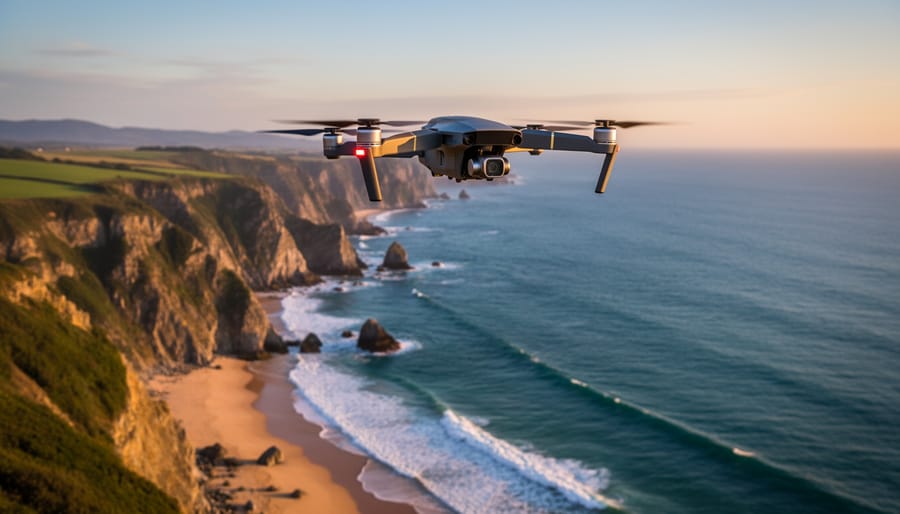
Quadcopter photography lets you capture stunning natural landscapes from perspectives previously reserved for helicopter pilots and mountaineers, and getting started requires only a consumer drone (typically $500-$2000), basic flight skills you can learn in an afternoon, and knowledge of airspace regulations in your area. The process involves planning your shot location, checking weather and legal restrictions, launching your quadcopter, composing aerial frames while maintaining line of sight, and landing safely with memory card full of unique images. Most beginners fly their first successful landscape mission within their first three …