Month: July 2026

How to Choose and Use the Right Aperture for Macro Photography

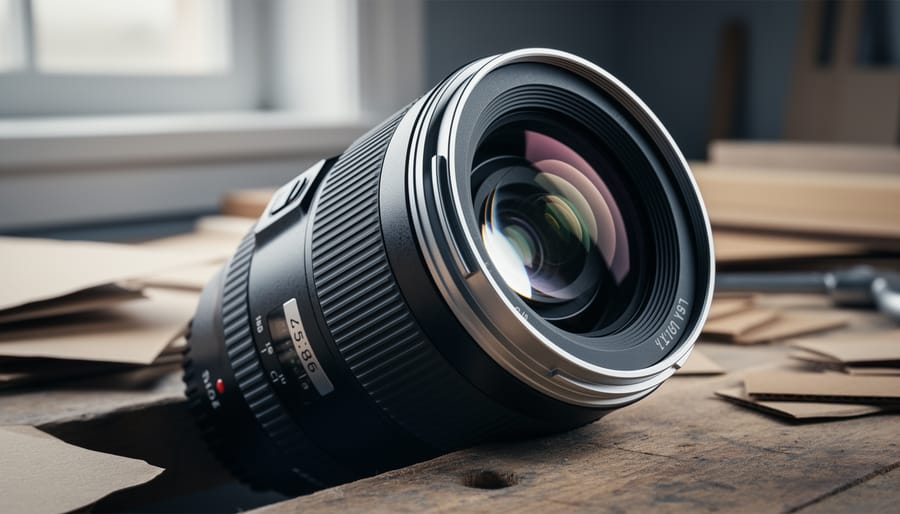
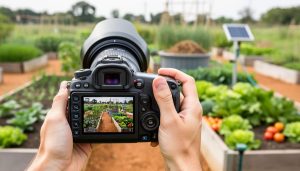
Choosing the right aperture in macro photography means balancing two competing demands: you need a small aperture (f/11 to f/16) to gain enough depth of field for your subject to stay sharp, but not so small that diffraction softens your image. This balancing act is what separates compelling close-up work from frustrating, blurry attempts.
When you’re shooting at 1:1 magnification or higher, depth of field collapses to millimeters. At f/2.8, you might have only a sliver of sharpness across an insect’s eye. Stop down to f/16, and you gain enough depth to capture the entire face, but push past f/22 and diffraction starts …

How to Create Glitch Visual Effects for Cinematic Videography

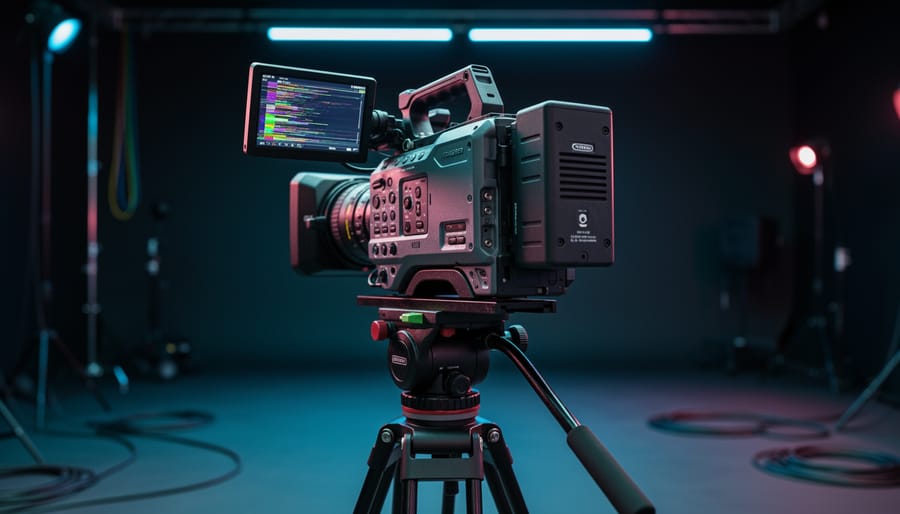
Glitch visual effects transform ordinary video into eye-catching, digitally corrupted footage that pulses with modern energy and cinematic tension. You can achieve professional-looking glitch effects using three primary approaches: post-production editing (the most beginner-friendly method requiring only video editing software), in-camera techniques with analog or digital signal manipulation, or hybrid workflows that combine practical disruption with digital enhancement. Most editors start with software-based methods, which typically take 15 to 30 minutes per clip and offer complete control without risk to your equipment.

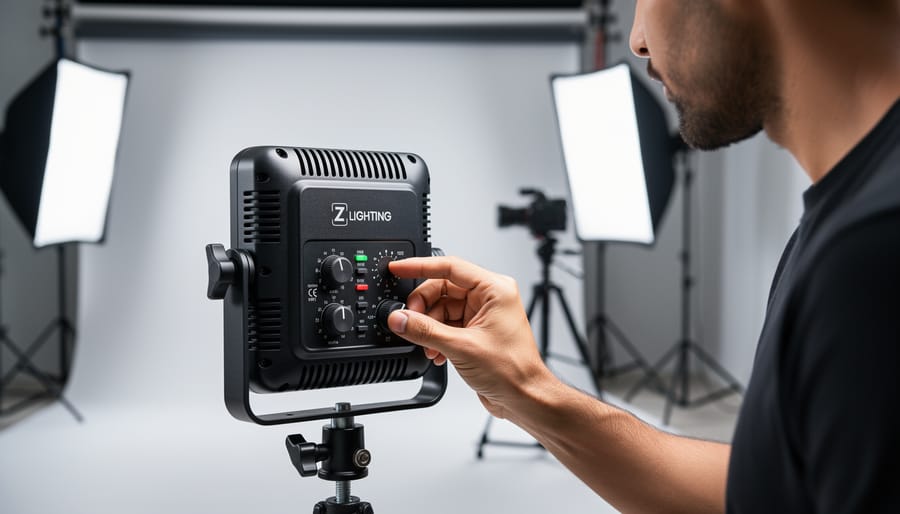
How to Choose Z Lighting LED for Photography: A Buying Guide

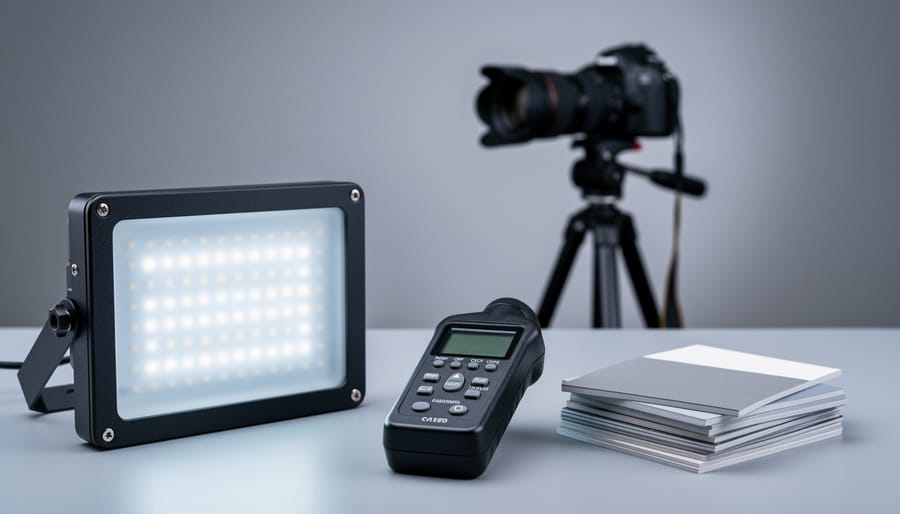
Z Lighting LED fixtures have become a go-to choice for photographers who need consistent, color-accurate illumination without the heat and power draw of traditional tungsten lights. If you’re researching Z Lighting’s lineup, you’ll find they offer a range of panel, tube, and flexible mat designs spanning 50 to 600 watts equivalent output, with high CRI ratings (typically 95+) and bicolor temperature control that make them suitable for everything from product shoots to interview setups. The real question isn’t whether Z Lighting makes quality gear, it’s which model matches your shooting style and whether the …

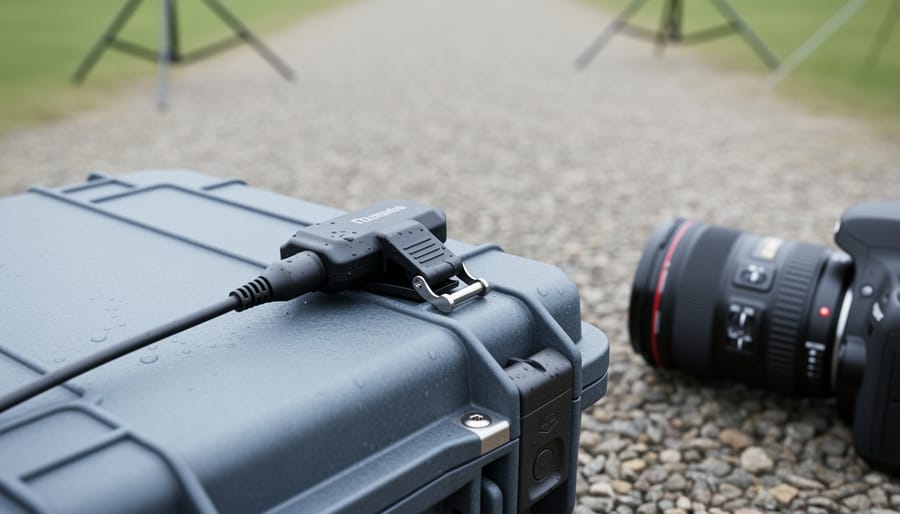
How to Use an Outdoor Moisture Sensor to Protect Your Photography Gear

Protecting thousands of dollars’ worth of camera gear from moisture damage requires a simple yet critical tool: an outdoor moisture sensor that alerts you to dangerous humidity levels before condensation ruins your lenses, corrodes your camera bodies, or fosters mold growth in your equipment cases. These compact devices, which range from basic analog hygrometers to sophisticated wireless systems with smartphone alerts, give you real-time data on environmental conditions so you can act before damage occurs.
The math is straightforward and sobering. A single moisture-damaged lens can cost $800 to repair, while a camera body with…

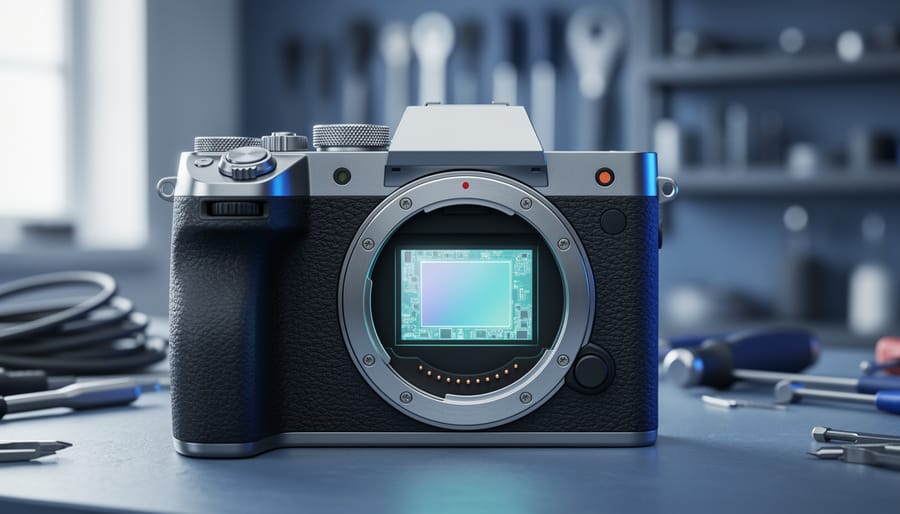
What Is an Electronic Image Sensor (and How Does It Work)?

An electronic image sensor is a semiconductor device that converts light entering a camera lens into electrical signals, which are then processed to create digital photographs. This small chip, typically measuring just a few centimeters across, has replaced traditional film as the recording medium in virtually every camera made today, from smartphones to professional cinema equipment.
Understanding how image sensors work matters because this technology directly affects every photograph you take. The sensor’s size, resolution, and design influence image quality, low-light performance, depth of field, and even the physical …

How to Choose SDI/HDMI I/O Cards for Video Editing: A Buying Guide

SDI and HDMI I/O cards connect your camera or editing workstation to professional monitors, letting you see accurate color, exposure, and detail that your computer screen simply can’t deliver. If you’re moving from photography into video work or finally ready to invest in a proper monitoring chain, you need to understand which interface matters for your setup, because getting this wrong means either wasting money on overkill features or discovering your gear won’t talk to each other when you’re racing toward a deadline.
The choice between SDI and HDMI isn’t about which one is “better.” It&#…

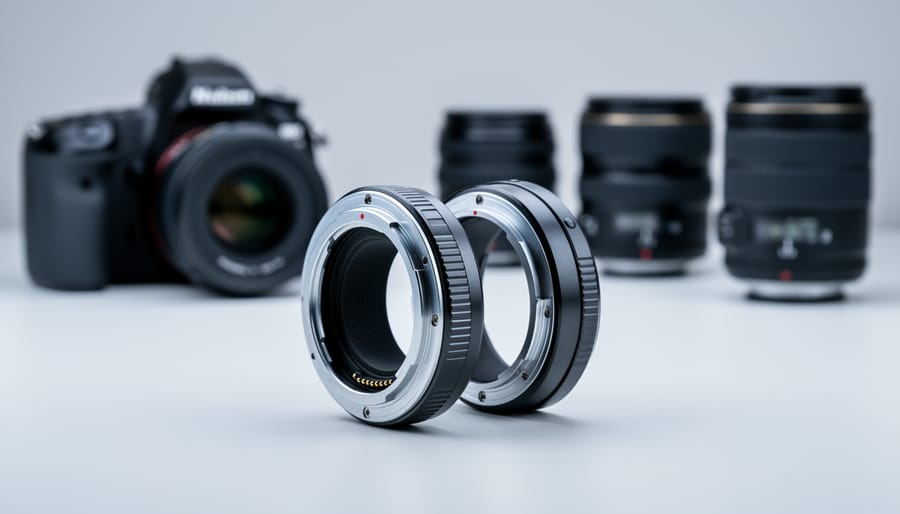
How to Choose the Right Lens Mount Adapter: A Buying Guide

A lens mount adapter is a precision mechanical coupling that lets you attach lenses designed for one camera system to a body with a different mount, and the right adapter can either unlock hundreds of affordable glass options or waste your money on frustrating incompatibility. The key is understanding that adapters fall into two categories: passive rings that maintain manual focus only, and smart adapters with electronic contacts that attempt to preserve autofocus and aperture control. For most photographers exploring adapters in 2026, autofocus performance matters more than any other factor, which is why adapters with unreliable or …

How to Choose Biconcave Lenses: A Sustainable Buying Guide

A biconcave lens is a diverging optical element with two inwardly curved surfaces that spreads light rays outward, making it essential for correcting specific vision problems and controlling focal length in complex lens systems. For photographers in 2026 seeking eco-conscious lenses understanding biconcave elements matters because these components play a critical role in multi-element designs that reduce chromatic aberration and distortion, often determining whether a lens can be manufactured with fewer elements and …

How to Choose a Lighting Spectrometer: A Buying Guide for Studio Photographers

A lighting spectrometer measures the exact color temperature, spectral distribution, and intensity of your studio lights, giving you precision data that traditional light meters simply can’t provide. While a standard light meter tells you how bright a light source is, a spectrometer reveals its complete color signature, including CRI (Color Rendering Index), TLCI (Television Lighting Consistency Index), and spectral power distribution across the visible spectrum. For photographers shooting critical color work like product photography, fashion editorials, or commercial projects where color accuracy directly affects client satisfaction…

Why Photographers’ Cultural Exchange Projects Transform Your Creative Vision

A cultural exchange project in photography connects photographers from different countries and backgrounds to share techniques, perspectives, and creative approaches through structured collaboration. These projects typically unfold over weeks or months, pairing participants for joint assignments, critique sessions, and portfolio reviews that challenge each photographer to see their work through a different cultural lens. The result isn’t just improved technical skills but a fundamental shift in how you frame stories and interpret visual narratives.
Most photographers who join these initiatives discover that their assumptions …