Month: August 2026

What Is Genlock Synchronization (and How Does It Work)?

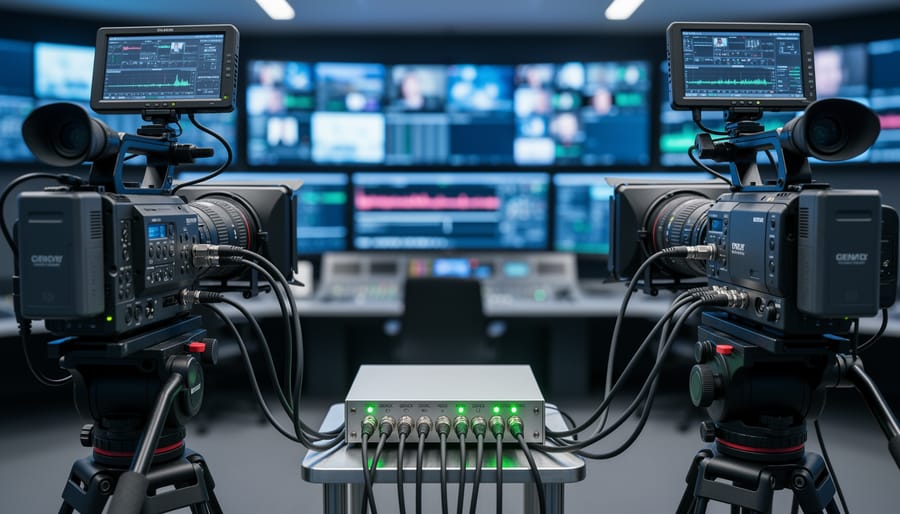
Genlock synchronization is a method of aligning the video signals from multiple cameras so they operate in perfect phase with one another, ensuring frame-accurate timing across all devices. Unlike timecode, which simply stamps each frame with a matching reference number, genlock actually controls the cameras’ internal clocks to sync their sensor readouts and frame generation at the hardware level.
If you’ve been shooting stills and recently moved into video production, especially multi-camera setups, you’ve probably heard genlock mentioned alongside timecode and wondered whether you actually need it. The short …
How to Clean Camera Lenses Without Scratching or Damaging Them

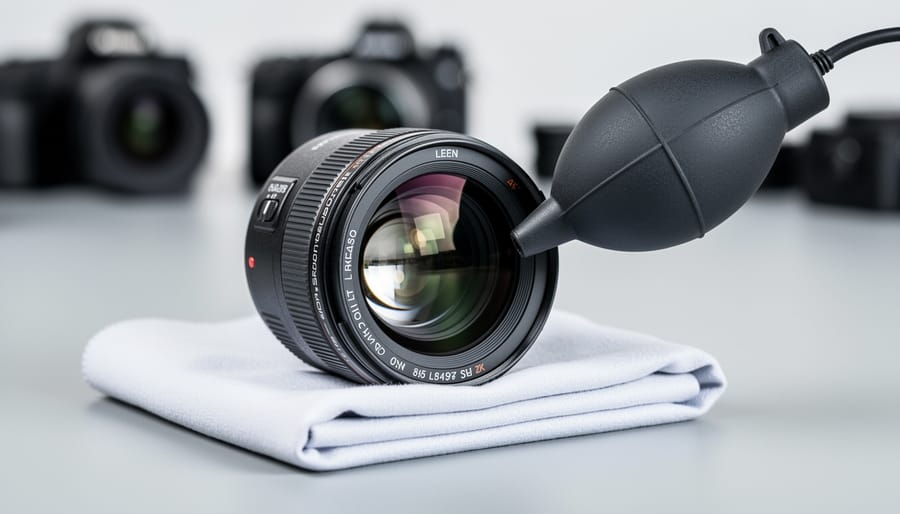
Cleaning a camera lens properly takes about five minutes and requires just three tools: a rocket blower, a microfiber cloth, and lens cleaning solution. The technique matters more than the products. Most lens damage doesn’t come from dust or fingerprints, but from aggressive cleaning with the wrong materials or unnecessary wiping when a simple puff of air would suffice.
Here’s what photographers get wrong: they clean too often and too roughly. That smudge you’re obsessing over in your viewfinder? It probably won’t show up in your images unless you’re shooting at f/16 or smaller. A few specks of dust are…

How to Shoot Editorial Food Photography That Tells a Story

Editorial food photography transforms ingredients and dishes into compelling visual stories designed for magazines, cookbooks, and feature articles. Unlike commercial or advertising work that prioritizes product perfection, editorial images capture authentic moments, celebrate imperfections, and build a narrative around food culture, cooking processes, and the people behind the meals.
At its core, this style requires a different mindset from standard food photography. You’re not simply documenting a finished dish under perfect conditions. Instead, you’re creating images that accompany written content, convey mood and …

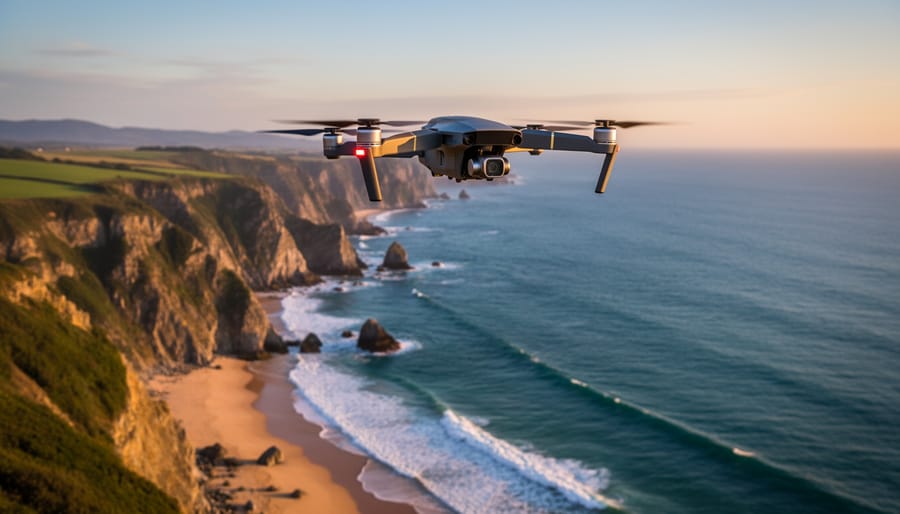
How to Capture Stunning Natural Landscapes with Quadcopter Photography

Quadcopter photography lets you capture stunning natural landscapes from perspectives previously reserved for helicopter pilots and mountaineers, and getting started requires only a consumer drone (typically $500-$2000), basic flight skills you can learn in an afternoon, and knowledge of airspace regulations in your area. The process involves planning your shot location, checking weather and legal restrictions, launching your quadcopter, composing aerial frames while maintaining line of sight, and landing safely with memory card full of unique images. Most beginners fly their first successful landscape mission within their first three …

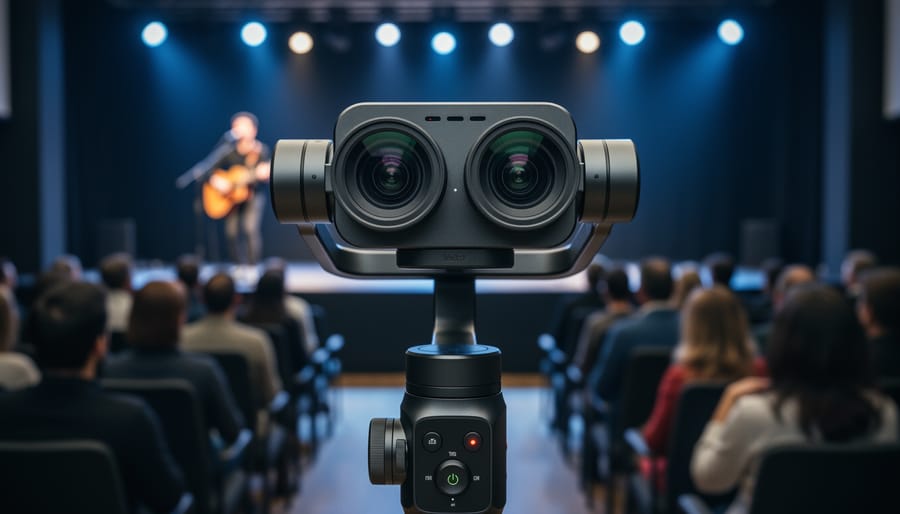
How to Choose and Use a 180 Degree VR Camera for Your First Immersive Project

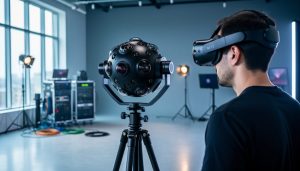
Shooting in 180-degree VR means capturing half a sphere of immersive footage, focusing the viewer’s attention forward while delivering the depth and presence of virtual reality. Unlike full 360-degree content that surrounds viewers in every direction, 180-degree VR concentrates on what’s directly in front of them, making it ideal for cinematic storytelling, interviews, live events, and any scenario where you want to guide the viewer’s gaze rather than encourage them to look everywhere at once.
The practical appeal is straightforward: smaller file sizes, simpler stitching workflows, and fewer concerns about hiding …

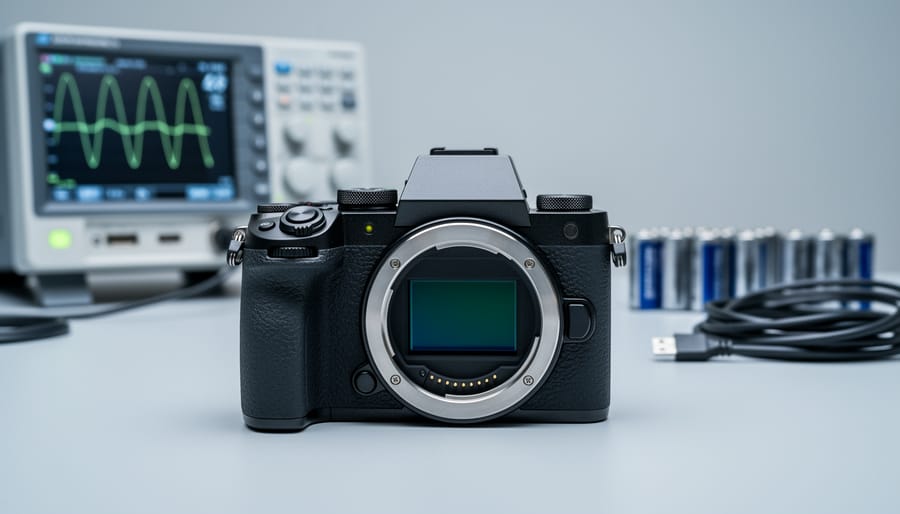
What Is Quantum Efficiency in CMOS Sensors (and How Does It Work)?

Quantum efficiency in CMOS sensors measures how effectively each pixel converts incoming photons into electrons that become your image signal. Expressed as a percentage, it tells you what fraction of the light hitting your sensor actually contributes to the photograph. A sensor with 60% quantum efficiency captures six out of every ten photons as usable data, while the remaining four are lost to heat, reflection, or simply pass through without detection.
This specification directly impacts three things every photographer cares about: how clean your images look in dim conditions, how long your battery lasts during intensive shoots, …

What Is 3D Virtual Photography (and How Does It Work)?

3D virtual photography is the practice of creating photographic images within computer-generated three-dimensional environments, either by capturing scenes built entirely in software or by photographing real-world spaces that have been digitally reconstructed. Unlike traditional 360-degree photography, which records everything around a fixed point in reality, 3D virtual photography gives you complete creative control over every element in the frame, from lighting and composition to physics-defying camera angles that would be impossible in the physical world.
This technique has moved far beyond gaming screenshots and architectural …

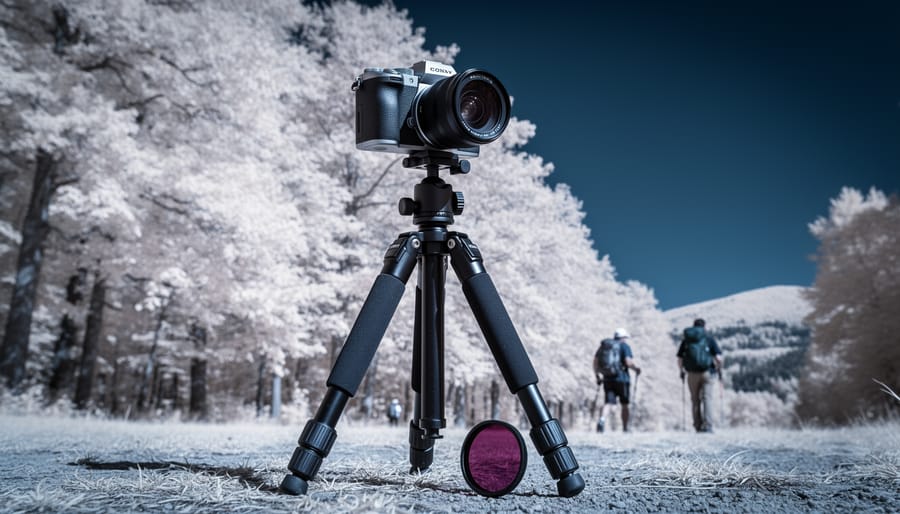
How to Build Your Infrared Photography Kit: Essential Equipment and Setup

Infrared photography equipment comes in three main forms: a camera converted by removing its IR-blocking filter (the most versatile option), an external infrared filter paired with an unmodified camera (budget-friendly but requiring long exposures), or an IR-ready camera that shoots both visible and infrared light. Most photographers serious about IR work choose permanent conversion, which typically costs $300 to $600 through a specialized service and transforms any digital camera into a dedicated infrared shooter capable of handheld exposures in daylight.
The appeal is immediate once you see your first infrared image. Trees glow …

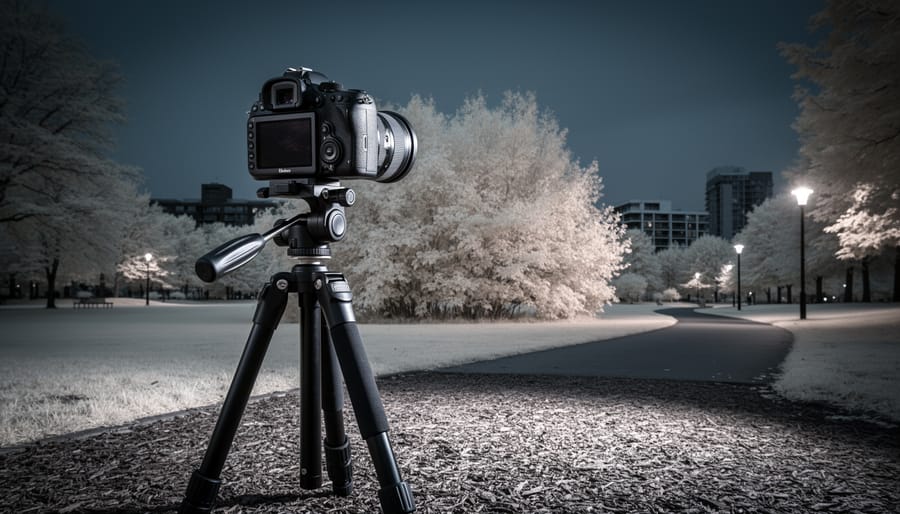
How to Shoot Infrared Photography: From Camera Conversion to Creative Results

Infrared photography transforms your camera into a tool that sees beyond the visible spectrum, capturing light wavelengths between 700 and 1,200 nanometers to create surreal landscapes where foliage glows white, skies turn deep and dramatic, and everyday scenes take on an otherworldly quality. You’ll need either a converted camera with its infrared-blocking filter permanently removed (the most practical route for dedicated IR work) or an unconverted camera paired with a dark infrared filter that screws onto your lens, though the latter requires tripod-steady exposures of several seconds even in bright sunlight.
The technical …

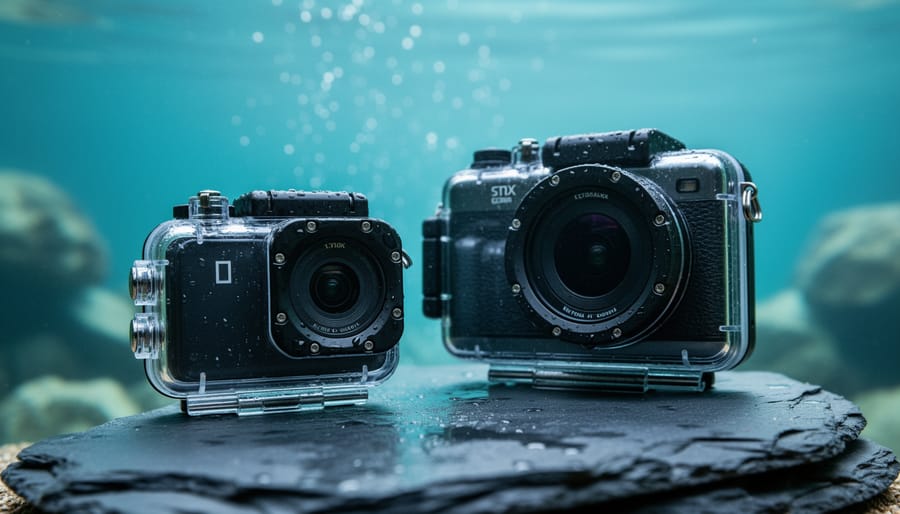
How to Choose an Underwater Camera: A Buying Guide for 2026

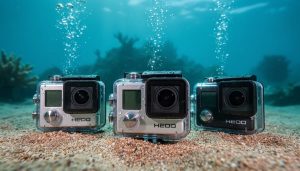
Choosing the right underwater camera in 2026 means balancing three critical factors: waterproof depth ratings, image quality, and the controls you can actually operate while submerged. After testing dozens of models across action cameras, dedicated waterproof compacts, and smartphone housings, we’ve found that the best option depends heavily on whether you’re snorkeling in shallow reefs, diving to depth, or shooting fast-moving subjects like marine life and surfers.
The landscape has shifted significantly this year. Models like the GoPro HERO13 and OM System TG-7 represent refined versions of proven designs, while budget…