 By
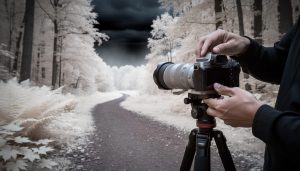
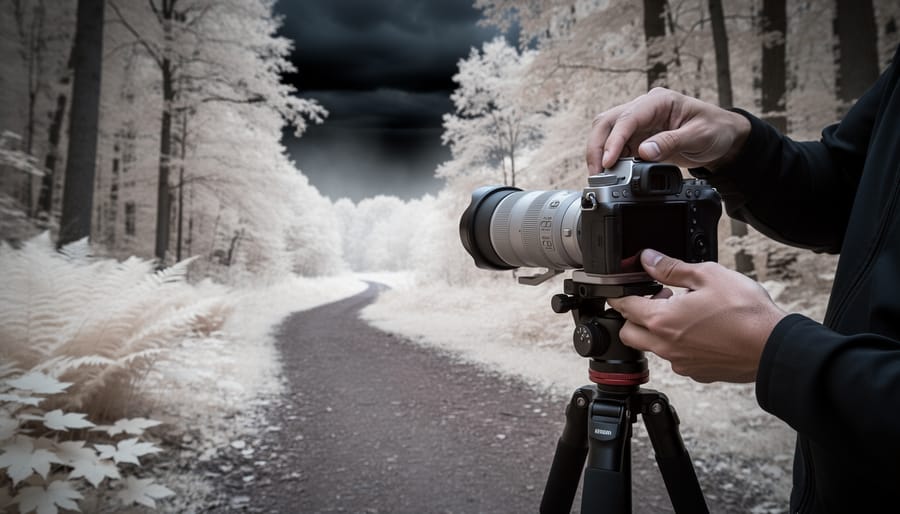
Infrared videography captures continuous motion footage by recording wavelengths beyond the visible spectrum, transforming everyday scenes into surreal, high-contrast dreamscapes where foliage glows white and skies turn dramatically dark. Unlike infrared still photography, where you can carefully compose a single frame and adjust for each shot, video demands consistent focus throughout a moving scene, stable exposure across varying light conditions, and significantly higher data processing loads that many cameras struggle to handle. The technical challenge is real: most modern cameras block infrared light by design, and the minority that …
You may also like
How to Choose a Camera: A Buying Guide for Every Photographer
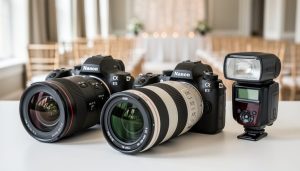
Choosing the right camera starts with understanding what you’ll actually shoot and how much control you need. If you’re capturing family moments and travel, a capable mirrorless camera like the Canon EOS R10 Mirrorless Camera RF-S18-45 Mm F4.5-6.3 is STM Lens Kit offers the sweet spot of image quality and portability without overwhelming you with features. Professional photographers shooting weddings or commercial work will gravitate …