 By
By 
Photography culture thrives in the spaces between shutter clicks—in the forums where a landscape photographer from Iceland shares post-processing wisdom with a street photographer in Mumbai, where constructive critique replaces gear obsession, and where creative vision matters more than camera specs.
The digital age has transformed how photographers learn, grow, and find their artistic voices. Beyond YouTube tutorials and Instagram feeds lies a deeper layer of engagement: dedicated communities where photographers exchange not just technical tips, but perspectives, philosophies, and genuine creative inspiration. These forums represent the modern darkroom—places where development happens not on paper, but through conversation.
Finding the right community makes the difference between shouting into the void and discovering mentors, collaborators, and lifelong creative partners. Some platforms foster meaningful dialogue about composition theory and visual storytelling. Others devolve into endless debates about sensor size and lens sharpness. Understanding which communities align with your creative goals saves countless hours and accelerates your growth as an image-maker.
The challenge isn’t accessing these spaces—most are free and open. The real question is how to participate effectively. Lurking teaches you forum culture and unwritten rules. Sharing your work invites feedback that stings initially but refines your vision over time. Offering thoughtful critiques to others sharpens your own analytical eye and builds credibility within the community.
Photography culture exists wherever photographers gather with genuine curiosity and mutual respect. Whether you’re exploring new techniques, seeking honest portfolio reviews, or simply craving connection with others who understand why you’ll wake at 4 AM for golden hour light, the right forum becomes more than a website—it becomes your creative home base.
The Evolution of Photography Culture in Digital Spaces
From Darkroom Clubs to Digital Communities
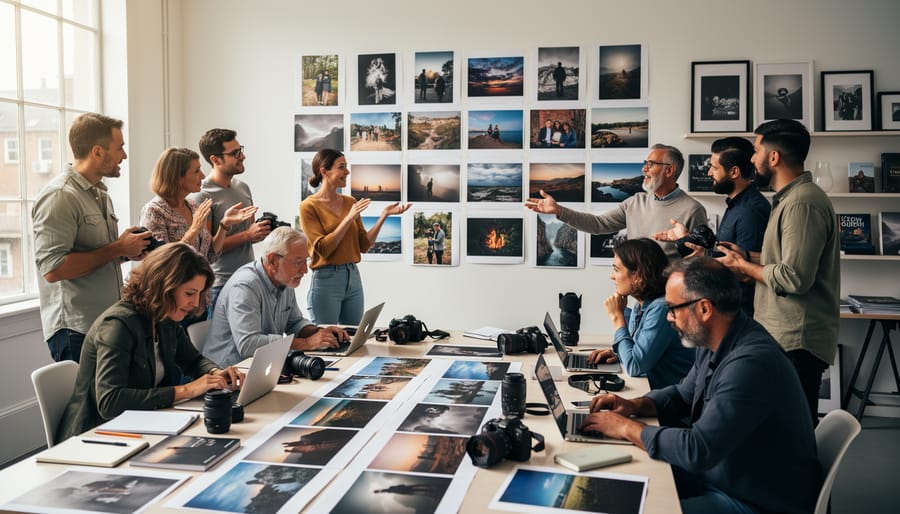
For decades, photography culture thrived in physical spaces where enthusiasts gathered to share their craft. Camera clubs and darkroom cooperatives became sanctuaries for photographers in the mid-20th century, offering not just shared equipment but invaluable mentorship. In these dimly lit spaces, newcomers learned the delicate dance of developing film alongside experienced practitioners who passed down techniques through demonstration and conversation.
These clubs were inherently local and often exclusive, limited by geography and sometimes by formal membership requirements. A photographer in rural Iowa had vastly different access to photographic knowledge than someone in New York City’s bustling camera club scene. The democratization truly began in the late 1990s with early photography forums and bulletin boards, but the real transformation came with broadband internet and digital cameras in the mid-2000s.
Suddenly, a street photographer in Mumbai could share perspectives with a landscape artist in Norway. Online forums eliminated the gatekeeping that physical spaces sometimes maintained, whether intentionally or simply through location constraints. This shift fundamentally changed how photographers learned and grew. Instead of waiting for monthly club meetings, members could post work and receive feedback from diverse voices within hours.
The internet didn’t just replicate what darkroom clubs offered, it expanded the very concept of photographic community. Cultural exchange became truly global, exposing photographers to techniques, aesthetics, and perspectives they’d never encounter in their local communities. This accessibility transformed photography from a craft learned in isolation or small circles into a collaborative, constantly evolving conversation spanning continents and cultures.
What Makes a Forum a ‘Cultural Exchange’ Space
A photography forum becomes a true cultural exchange space when conversations shift from “what camera should I buy” to “how do you see the world through your lens.” This transformation happens when members actively share the stories behind their images, explain their creative decisions, and discuss how their geographic location, cultural background, and personal experiences influence their visual storytelling.
The defining characteristic is depth of engagement. Rather than simply posting images for likes, participants in genuine cultural exchange forums provide context. A street photographer in Tokyo might explain how the concept of “ma” (negative space) in Japanese aesthetics shapes their composition choices. Meanwhile, a documentary photographer in Brazil could share how Carnival traditions inform their approach to capturing movement and color. These aren’t just pretty pictures with technical data—they’re windows into different ways of seeing.
Regional styles emerge organically in these spaces. You’ll notice Nordic photographers discussing their relationship with limited winter light, while Australian photographers might share techniques for managing harsh midday sun. These practical discussions naturally expand into broader conversations about how environment shapes photographic vision.
The best cultural exchange forums also encourage constructive critique that goes beyond technical execution. Members ask questions like “what were you trying to convey?” and “how does this image reflect your perspective?” rather than simply commenting “nice shot” or debating lens sharpness. This creates an environment where photographers learn not just how to take better photos, but how to develop their unique visual voice by understanding diverse approaches from around the world.
How Cultural Exchange Forums Shape Your Photography
Learning Techniques from Different Photographic Traditions
Exploring photographic traditions from different cultures is like unlocking secret toolboxes filled with techniques you never knew existed. Take Japanese street photography, for example. Masters like Daido Moriyama emphasize the concept of “are, bure, boke” (grainy, blurry, out-of-focus), which encourages photographers to embrace imperfection and spontaneity rather than obsessing over technical perfection. When American photographer Sarah Chen joined a Tokyo-based photography forum, she discovered this approach transformed her work from overly controlled to emotionally resonant, helping her capture the authentic chaos of urban life.
Scandinavian minimalism offers a different lesson entirely. Nordic photographers excel at using negative space and muted color palettes to create powerful compositions from seemingly sparse scenes. Through participating in group challenges with Scandinavian photographers, many have learned that what you exclude from the frame can be just as important as what you include.
Indian wedding photography traditions bring yet another dimension, teaching vibrant color management and the art of capturing emotion within elaborate ceremonial contexts. The emphasis on storytelling across multiple events and family dynamics provides valuable lessons in documentary photography that translate beautifully to other genres.
Cultural exchange forums make these learning opportunities accessible without traveling. Seeking expert mentorship from photographers rooted in different traditions accelerates this cross-cultural learning, giving you practical feedback that helps you selectively integrate techniques that resonate with your vision.
Breaking Out of Your Echo Chamber
Engaging with photographers from different backgrounds fundamentally reshapes how you see. When Japanese photographers in forums discuss Ma—the concept of negative space—they’re not just talking about composition rules you might have learned. They’re sharing a cultural philosophy that can transform how you approach minimalism in your work. Similarly, street photographers from Mumbai might challenge Western assumptions about personal space and candid photography, opening new possibilities for authentic storytelling.
These diverse perspectives reveal that there’s no universal definition of a good photograph. A portrait that feels too direct in one culture creates powerful intimacy in another. Documentary work that seems overly staged by Western standards might be perfectly acceptable elsewhere. By exposing yourself to these viewpoints, you start questioning your own photographic assumptions rather than treating them as absolutes.
Practically, this means actively seeking critique from photographers outside your usual circles. When someone from a different photographic tradition questions why you centered your subject or chose that color palette, resist the urge to defend. Instead, ask them to explain their perspective. You might discover that their approach to leading lines comes from calligraphy traditions, or their color choices reflect religious symbolism you never considered. These exchanges don’t just improve individual images—they expand your entire creative vocabulary.
The Critique Culture That Actually Helps You Improve
The difference between feedback that elevates your work and comments that deflate your motivation often comes down to intent and approach. In online critique circles that foster genuine cultural exchange, you’ll notice members focus on understanding the photographer’s vision before offering suggestions. Instead of “This composition is wrong,” effective critique sounds like “I’m drawn to your subject, but the background elements compete for attention—what if you tried a wider aperture to separate them?”
When giving feedback across cultural contexts, remember that aesthetic preferences vary widely. What reads as bold and dynamic in one tradition might seem chaotic in another. Ask questions first: “What were you hoping to convey here?” This approach respects the photographer’s cultural perspective while opening dialogue.
Receiving critique constructively means separating your ego from your work. Not every suggestion will resonate, and that’s fine. Look for patterns—if three people mention similar issues, there’s likely something worth considering. The communities that truly help you improve create space for disagreement without dismissiveness, where a street photographer from Tokyo and a landscape shooter from Iceland can both learn from examining the same image through different cultural lenses.

The Best Photography Forums for Cultural Exchange
General Photography Communities Worth Your Time
Finding the right photography community can feel like searching for your creative home, and several established platforms have cultivated distinct cultures worth exploring. These aren’t just gear-heavy forums—they’re spaces where genuine cultural exchange happens daily.
Photography Corner stands out for its remarkably welcoming atmosphere, particularly toward beginners. The community has built a culture of constructive critique rather than harsh judgment, making it ideal if you’re looking to develop your eye without feeling intimidated. Their regional forums facilitate real-world meetups, transforming digital connections into actual photography walks and collaborative shoots. The diversity here spans genres from street photography to wildlife, with members actively sharing cultural perspectives through their work.
Photo.net has weathered the internet’s evolution since 1993, and that longevity shows in its depth. The platform attracts serious photographers who engage in thoughtful discussions about artistic intent and cultural context. Their critique galleries emphasize the story behind images, not just technical execution. You’ll find photographers from dozens of countries offering perspectives on how cultural background shapes visual storytelling—exactly the exchange many photographers crave but rarely find.
Fred Miranda Forums caters to a more technically advanced crowd but maintains surprisingly rich cultural dialogue. Beyond the lens reviews, you’ll discover discussion threads where photographers share how different cultures approach street photography ethics, portrait customs, and documentary work. The travel photography section particularly shines for cultural exchange, with members offering location-specific advice that goes well beyond camera settings.
Each platform requires time investment before you’ll experience their full cultural richness, but patience pays dividends in meaningful connections and expanded creative vision.
Genre-Specific Forums with Global Perspectives
Beyond general photography platforms, specialized forums create spaces where practitioners can dive deep into specific genres while connecting across borders. These niche communities often foster the most meaningful exchanges because members share not just a passion for photography, but a particular way of seeing the world.
Street photography forums like StreetShootr and the Street Photography subreddit unite photographers who navigate the ethics and aesthetics of candid public photography. Here, a photographer in Tokyo might share insights on respecting personal space in crowded environments, while someone in Berlin discusses different cultural attitudes toward being photographed. These cross-cultural conversations reveal how the same genre adapts to different social contexts.
Landscape photography communities such as Nature Photographers Network and dedicated groups on Fred Miranda Forums bring together practitioners facing vastly different terrains. A member shooting Iceland’s volcanic landscapes might exchange technical advice about long exposures with someone capturing Australian deserts, while both learn composition principles that transcend location.
Portrait and documentary photography forums like ShootProof’s community spaces connect photographers working with human subjects across cultures. Discussions here often explore sensitive topics like consent, representation, and storytelling ethics. A documentary photographer in India might share approaches to building trust with communities, offering valuable perspectives to someone beginning a project in rural America.
These specialized spaces provide context-specific feedback that generic forums cannot match, helping you refine both technical skills and cultural sensitivity within your chosen genre.
Regional Forums That Welcome Outsiders
While mainstream forums dominate the conversation, several regional communities offer surprisingly rich cultural exchange opportunities for photographers willing to venture beyond the familiar. These platforms provide unique perspectives shaped by local photography traditions and contemporary practices.
Fotocommunity.de, Germany’s largest photography platform, maintains an active English-language section where international members share work alongside German photographers. The community excels at constructive critique with a distinctly European aesthetic sensibility. You’ll find thoughtful discussions about street photography ethics and documentary approaches that differ from American-centric perspectives.
Japan’s Ganref attracts serious enthusiasts with its meticulous approach to technical excellence and seasonal photography traditions. While primarily Japanese-language, the platform welcomes non-Japanese speakers through its visual-heavy interface and translation-friendly design. Participating here offers insights into Japanese composition principles and the cultural significance of subjects like cherry blossoms and autumn foliage.
Australia’s Taswegian Photographers Forum represents smaller regional communities that punch above their weight. Despite its modest size, members actively engage with international visitors, sharing location-specific knowledge and perspectives on landscape photography shaped by unique environmental conditions.
These regional forums work best when you approach them with genuine curiosity rather than treating them as promotional channels. Take time to understand local photography customs, contribute meaningfully to ongoing discussions, and acknowledge cultural differences in aesthetic preferences. The effort rewards you with fresh perspectives that challenge assumptions and expand your creative vocabulary.
Making the Most of Your Forum Experience
How to Jump Into Conversations (Without Being That Person)
The best way to enter forum discussions is by adding value before expecting recognition. Start by reading through recent threads that genuinely interest you—not just ones where you can showcase your work. When you do comment, ask specific questions that show you’ve engaged with the original poster’s image or idea. Instead of “Nice shot!”, try “I love how you handled the shadows here—what time of day was this?” This invites conversation rather than ending it.
When sharing your own work, context matters more than the image itself. Explain what you were trying to achieve, what challenges you faced, or what specific feedback you’re seeking. For example, “I’m struggling with balancing ambient light and flash in small spaces—here’s my latest attempt” opens the door for meaningful critique. This approach demonstrates humility and genuine interest in improvement.
Avoid the common pitfall of drive-by posting—dropping your images across multiple threads without engaging with others’ work. Community members notice participation patterns quickly. A good rule of thumb: comment thoughtfully on at least three threads before posting your own work. This builds credibility and shows you’re invested in the community beyond self-promotion. Remember, the photographers who become valued members are those who celebrate others’ successes as enthusiastically as their own.
Navigating Cultural Differences in Photography Feedback
Photography feedback varies dramatically across cultures, and understanding these differences can transform how you receive and give critiques in international forums. In Japanese photography communities, for example, critique often begins with extensive praise before gently suggesting improvements—a practice rooted in the cultural value of maintaining harmony. A Japanese photographer might say “Your composition shows wonderful attention to detail” before adding “perhaps the shadows could be slightly lifted,” whereas an American peer might directly state “the shadows need adjustment.”
European forums, particularly those centered in Germany and the Netherlands, tend to favor straightforward technical analysis with less emphasis on softening criticism. Meanwhile, forums with strong Middle Eastern participation often incorporate collaborative problem-solving, with members offering to help rather than simply pointing out flaws.
These differences extend to aesthetic preferences too. Minimalism resonates strongly in Scandinavian communities, while photographers from India and Latin America often celebrate vibrant colors and emotional intensity. Recognizing these patterns helps you interpret feedback accurately—what seems harsh might simply be direct communication, while effusive praise might precede constructive criticism. The key is approaching cross-cultural exchanges with curiosity rather than assumption, asking clarifying questions when feedback feels confusing, and adapting your own critique style to match the community’s established norms.
Building Genuine Connections Beyond the Screen
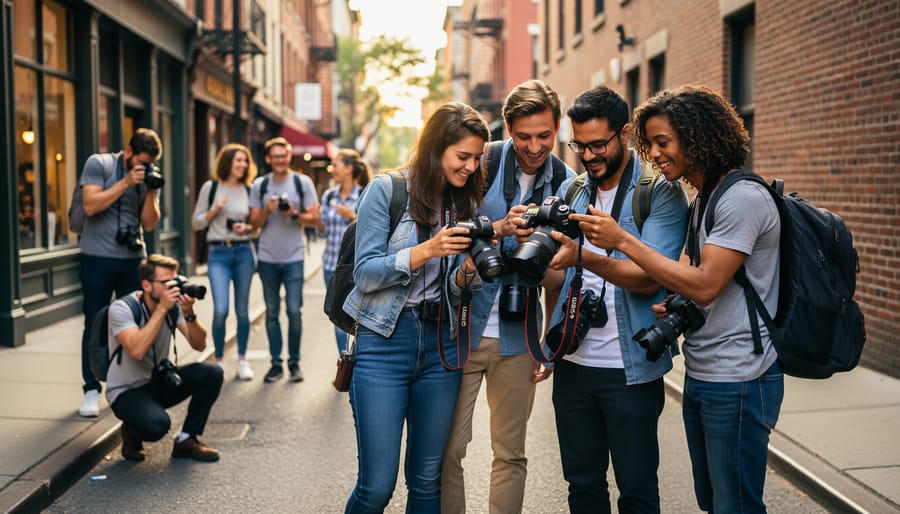
While online forums provide valuable space for discussion, their real magic happens when digital connections transform into tangible relationships. Many photographers discover that forum friendships naturally evolve into real-world meetups, creating opportunities that extend far beyond comment threads.
Photo walks represent the most common transition from screen to street. What begins as casual conversation about local light conditions often leads to weekend explorations with fellow members. These informal gatherings let you test techniques discussed online while building rapport with photographers who share your interests.
Virtual meetups have also bridged geographical gaps, allowing photographers across continents to share live critiques and planning sessions before attempting in-person collaborations. Some of the most exciting collaborative projects emerge from these connections—think joint exhibitions, photo books, or workshop partnerships.
Travel opportunities frequently arise too. Forum members often coordinate visits when traveling, offering insider knowledge and companionship that transforms typical tourist photography into authentic cultural documentation. These relationships can evolve into mentorships, business partnerships, or simply enduring creative friendships that fuel your photographic journey for years.
The Dark Side: What to Watch Out For
Recognizing Toxic vs. Constructive Communities
Not all online photography communities foster genuine growth. Before investing your time and energy, watch for warning signs that signal toxic environments. Communities that obsessively focus on gear without discussing creative vision often miss the point of cultural exchange. If every conversation devolves into sensor size debates or brand warfare, you’re unlikely to expand your artistic perspective.
Pay attention to how established members treat newcomers asking basic questions. Dismissive responses like “just Google it” or mockery of beginner work indicate a culture that protects egos rather than nurtures talent. Constructive communities, by contrast, remember that everyone started somewhere and offer thoughtful feedback.
Another red flag is the absence of diverse voices and perspectives. Forums dominated by a single photography style or demographic rarely facilitate meaningful cultural exchange. Look for spaces where landscape photographers engage with street photographers, where amateur enthusiasts learn alongside professionals, and where photographers from different countries share their unique approaches.
Finally, observe how the community handles disagreement. Healthy forums encourage respectful debate about techniques and aesthetics. Toxic ones resort to personal attacks or create echo chambers where dissenting opinions face immediate hostility. The best communities challenge your thinking while maintaining mutual respect.
When to Step Back from Online Photography Spaces
Sometimes the healthiest thing you can do for your photography is log off. If you find yourself spending more time debating camera settings than actually shooting, that’s a red flag. Other warning signs include feeling anxious about gear you can’t afford, second-guessing creative choices based on forum criticism, or constantly comparing your work unfavorably to others.
Pay attention to your emotional response. When forum participation leaves you feeling drained, inadequate, or creatively blocked rather than inspired, it’s time to reassess. One photographer I know took a three-month break from all photography forums after realizing he’d stopped shooting entirely, convinced his camera wasn’t “good enough” based on endless gear debates.
Healthy boundaries might mean limiting forum time to 15 minutes daily, avoiding toxic threads about brand wars, or stepping away during creative slumps when you’re particularly vulnerable to negativity. Remember, these spaces should complement your photography practice, not replace it. If online discussions are keeping you from actual shooting, consider that forums have become the problem rather than the solution.
The goal isn’t isolation but balance. Take periodic breaks, evaluate whether your participation genuinely enriches your work, and don’t hesitate to unsubscribe from communities that consistently drain your creative energy.
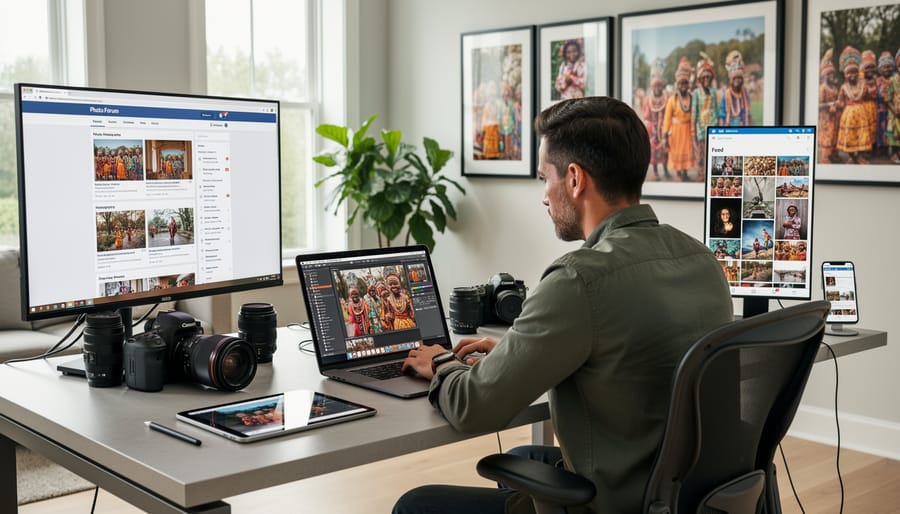
Beyond Traditional Forums: Where Photography Culture Lives Today
Social Media vs. Traditional Forums: The Real Differences
The choice between social media and traditional forums isn’t just about preference—it fundamentally shapes the depth of your photographic journey. Social media platforms like Instagram excel at visual discovery and immediate feedback, but conversations typically remain surface-level. A thought-provoking image might collect dozens of fire emojis, yet rarely sparks the nuanced discussion that pushes your creative thinking forward.
Traditional forums operate differently. On platforms like Fred Miranda or GetDPReview forums, a single thread about street photography ethics might unfold over weeks, with participants building on each other’s perspectives and sharing real-world experiences from different cultural contexts. The persistent nature of forum threads means you can revisit conversations, see how ideas evolved, and contribute thoughtfully rather than racing to comment before the algorithm buries the post.
Social media rewards frequency and aesthetic appeal, which has value for building an audience. But forums reward substance. When a photographer in Tokyo explains how they navigate cultural sensitivities around candid photography, and someone from Berlin shares contrasting perspectives, you’re gaining practical, location-specific wisdom that generic photography tips can’t match.
The trade-off? Forums require patience and genuine engagement. You won’t rack up followers or likes. Instead, you’ll develop meaningful connections with photographers whose insights actually influence your work—a slower burn with more lasting impact.
Building Your Personal Photography Network Across Platforms
The key to building a meaningful photography network isn’t joining every platform available—it’s choosing strategically and engaging authentically. Start by identifying two or three platforms that align with your specific interests. If you’re drawn to documentary work, for instance, focusing on platforms like HCSP (where photojournalism thrives) alongside Instagram makes more sense than trying to maintain presence everywhere.
Quality connections stem from consistent, thoughtful participation rather than superficial engagement. Rather than posting everywhere daily, dedicate specific times to each platform. You might reserve Monday evenings for in-depth forum discussions and weekends for Instagram engagement. This prevents burnout while allowing you to build genuine relationships.
Cross-pollination works beautifully when done intentionally. Share your forum critique experiences on Instagram stories, or invite Instagram connections to join deeper conversations on specialized forums. The photographer who helped refine your street photography approach on a forum might become a future collaboration partner or exhibition buddy.
Remember that different platforms serve different purposes in your network ecosystem. Forums excel at technical growth and mentorship, Instagram handles visual discovery and broader audience building, while platforms like Behance showcase complete projects. By understanding each space’s unique value, you’ll naturally find your rhythm without spreading yourself too thin—and that’s where the most meaningful connections flourish.
Photography forums have always been about more than megapixels, lens sharpness charts, and the latest camera releases. At their heart, these communities exist to expand how we see—not just technically, but culturally and creatively. When you engage with photographers from different corners of the world, you’re not simply collecting tips on aperture settings. You’re gaining access to perspectives shaped by different histories, landscapes, and social contexts that fundamentally challenge and enrich your own creative vision.
The photographers who grow most in their craft understand that cultural exchange is inherently reciprocal. You can’t simply consume insights from others without offering something of your own experience in return. When you share how your local environment influences your work, or explain the cultural significance behind a traditional event you’ve documented, you’re contributing to a global conversation that elevates everyone involved.
So here’s my challenge to you: identify one new community this week that feels aligned with your interests but operates outside your usual comfort zone. Maybe it’s a forum focused on a region you’ve never visited, a photographic tradition you’ve only admired from afar, or a cultural perspective different from your own. Join it. But more importantly, participate authentically. Ask genuine questions, share your own context, and approach each interaction with the understanding that you’re both student and teacher.
The most rewarding photography communities aren’t found—they’re built through consistent, thoughtful engagement. Your next creative breakthrough might just come from a conversation you haven’t had yet.


 By
By