 By
By 
Choosing the right underwater camera in 2026 means balancing three critical factors: waterproof depth ratings, image quality, and the controls you can actually operate while submerged. After testing dozens of models across action cameras, dedicated waterproof compacts, and smartphone housings, we’ve found that the best option depends heavily on whether you’re snorkeling in shallow reefs, diving to depth, or shooting fast-moving subjects like marine life and surfers.
The landscape has shifted significantly this year. Models like the GoPro HERO13 and OM System TG-7 represent refined versions of proven designs, while budget options such as the AKASO EK7000 Pro 4K Action Camera with Touch Screen EIS 131ft now deliver 4K video at price points that seemed impossible just a few years ago. The iPhone 16, surprisingly, has earned recognition as a serious video contender when paired with the right housing, a development that speaks to how capable smartphone sensors have become in challenging conditions.
What hasn’t changed is the importance of understanding your actual dive depth and shooting conditions before you buy. A camera rated for 10 meters without a housing works beautifully for snorkeling and pool work, but you’ll need a proper pressure housing for anything deeper. Similarly, touchscreens that respond perfectly on land often become frustrating underwater, which is why physical buttons and intuitive menu systems matter far more than spec sheets suggest. This guide walks you through the decision criteria that actually matter, reviews five standout models across different use cases, and highlights the mistakes that cost both beginners and experienced shooters the shots they traveled thousands of miles to capture.
What to Look for in an Underwater Camera
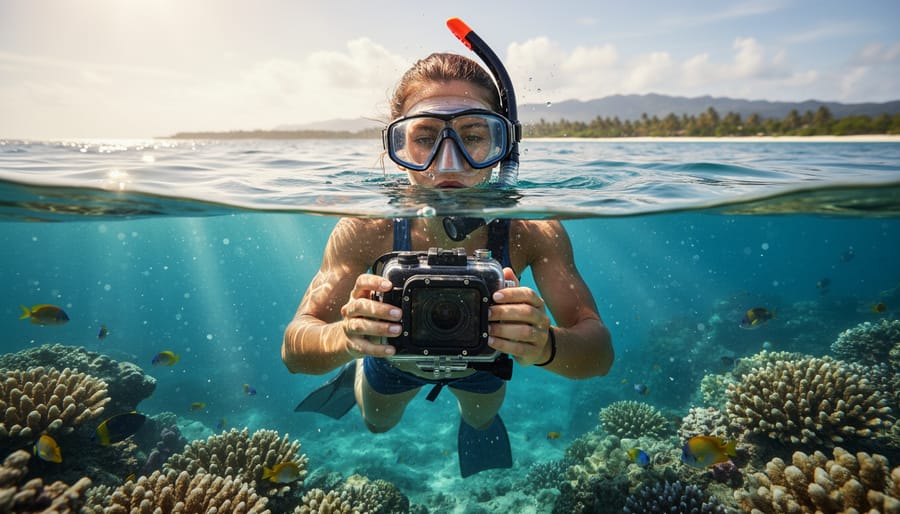
The right underwater camera depends less on specs and more on matching capabilities to where and how you’ll actually shoot. A 10-foot waterproof rating suffices for pool parties and snorkeling, but serious divers need housings rated to 130 feet or deeper. Understanding these practical thresholds saves you from buying either too little camera or paying for depth you’ll never reach.
Waterproof depth ratings tell you the maximum safe operating depth, not a suggestion. Cameras rated to 10 meters handle recreational snorkeling and surface water sports without housings, models like the GoPro HERO13 and DJI Action 2 both reach this threshold. For scuba diving beyond 30 feet, you need either a ruggedized camera with deeper native ratings or a dedicated underwater housing that extends protection to 100-130 feet. Check the rating carefully: some manufacturers list the camera body rating separately from the housing rating, and you need both numbers to plan safely.
Image quality underwater differs dramatically from surface shooting because water absorbs light and color. Look for cameras with larger sensors, even at identical megapixel counts, a bigger sensor captures more light in murky conditions. The OM System TG-7 combines a 12MP sensor with excellent low-light performance specifically tuned for underwater use. Resolution matters less than you’d think; 12-20MP handles large prints and cropping, while 48MP or 64MP files mostly add storage headaches without visible quality gains unless you’re shooting for commercial use. For video, 4K at 30fps has become the baseline in 2026, but frame rate matters more than resolution if you’re capturing fast-moving marine life, 60fps lets you slow footage smoothly in post.
Electronic image stabilization separates shaky footage from smooth, shareable clips. Water current, boat movement, and your own finning create constant motion, so built-in stabilization like the systems in the AKASO EK7000 Pro or GoPro models compensates automatically. Optical stabilization works better than digital cropping methods, but either beats no stabilization when you’re filming while swimming.
Physical controls become critical when you’re wearing gloves or operating with wet fingers. Touchscreens frustrate underwater; large, tactile buttons you can feel through neoprene gloves work better for starting recording or adjusting settings mid-dive. Dual-screen designs with a front-facing display help frame selfies and group shots without guessing, though they drain batteries faster. If you’re following a beginner camera guide philosophy, simpler controls beat feature overload, you want to focus on the reef, not fumbling through menus.
Battery life determines whether you capture an entire dive or miss the second half. Most action cameras deliver 60-90 minutes of continuous 4K recording, which sounds adequate until you factor in cold water sapping capacity and the impossibility of swapping batteries at depth. Bring spare batteries for surface intervals, and test runtime in actual conditions before a big trip. Cameras that include two batteries in the box, like some of the 4K compact models, give you immediate backup without extra purchases.
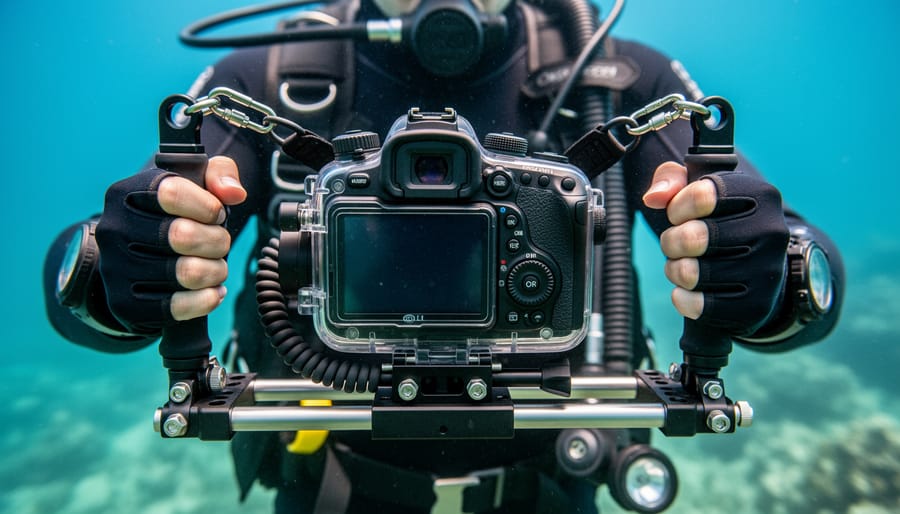
Mounting options and accessory compatibility extend your creative range. Standard GoPro mounts fit most action cameras and offer dozens of third-party options for chest harnesses, head straps, and float grips. Dedicated underwater cameras often use proprietary mounts, limiting your choices. Check whether lens filters, external lights, and stabilizing trays exist for your model if you plan to shoot deeper than 30 feet, where natural light fades and color correction becomes essential.
Types of Underwater Cameras Compared
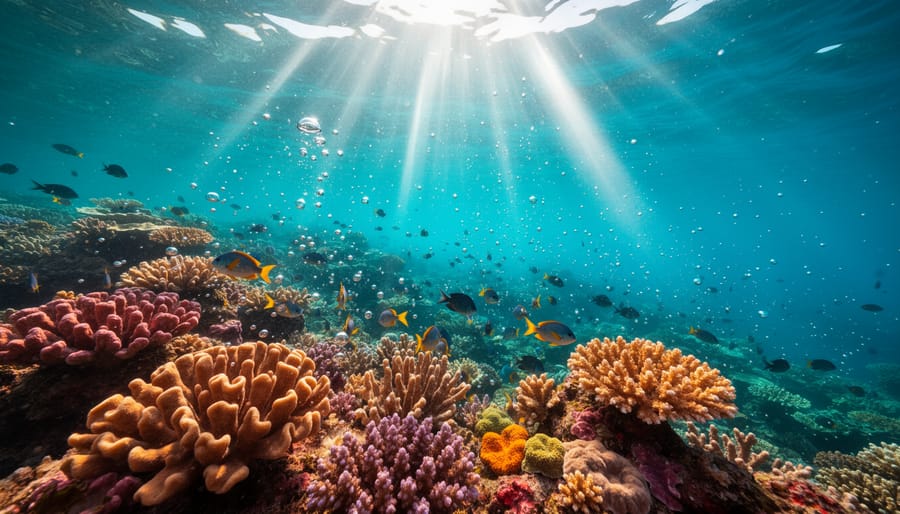
Choosing the right category of underwater camera starts with understanding how each type performs in real-world aquatic conditions. The four main options, dedicated waterproof point-and-shoot cameras, action cameras with or without housings, ruggedized compact cameras, and smartphone solutions with waterproof cases, each excel at different tasks and come with distinct trade-offs.
| Camera Type | Typical Depth Rating | Best For | Key Advantages | Typical Limitations |
|---|---|---|---|---|
| Dedicated Waterproof Point-and-Shoot | 10-50 feet | Casual snorkeling, pool photography | Simple operation, no housing needed, dual screens | Limited depth, basic controls, modest sensor size |
| Action Cameras | 33 feet (10m) native, 130+ feet with housing | Hands-free POV, mounting flexibility, video focus | Compact, wide mounting options, excellent video stabilization | Small screen, touchscreen challenges underwater, shorter battery life |
| Ruggedized Compact Cameras | 50 feet (15m) typical | Serious underwater photography, mixed conditions | Manual controls, better image quality, versatile for travel | Higher cost, bulkier than point-and-shoots |
| Smartphone with Waterproof Case | Varies by case (typically 10-100 feet) | Budget option, convenient for existing device | Use familiar interface, immediate sharing capability | Touchscreen unreliable underwater, risk to primary device, limited battery |
Dedicated waterproof point-and-shoot cameras offer the simplest path to underwater photography. Models like those in the 11-16 foot depth range ship ready to submerge without additional housings, making them ideal for vacation snorkeling and beach activities. Their dual-screen designs let you frame underwater selfies easily, and the straightforward controls work well when you’re new to aquatic shooting. However, their shallow depth ratings exclude serious diving, and the automatic-only shooting modes leave little room for creative control as your skills develop.
Action cameras deliver exceptional versatility through mounting options and stabilization technology. Current models like the GoPro HERO13 are waterproof to 10 meters without any housing and can reach significantly deeper with protective cases. This category dominates for water sports, surfing, kayaking, jet skiing, where hands-free POV footage captures the experience better than handheld cameras. The wide-angle lens characteristic of action cameras creates immersive perspectives, though it distorts subjects at the frame edges. Battery life remains the primary constraint during extended dive sessions, and the small screen makes composition review challenging until you’re back on shore.
Ruggedized compact cameras like the OM System TG-7 bridge the gap between casual and serious underwater photography. These cameras typically handle 50-foot depths while offering manual exposure control, raw file capture, and better low-light performance than entry-level options. Their larger sensors and optical zoom lenses produce noticeably sharper images with more natural color, especially in challenging underwater lighting. The trade-off comes in cost and size, these cameras demand more investment and pocket space than simpler alternatives, but they grow with your skills rather than requiring replacement as you advance.
Smartphone solutions with waterproof cases appeal when budget constraints matter or you want to minimize gear. The familiar interface removes the learning curve, and instant connectivity means you can share images immediately after surfacing. The reality underwater tells a different story: touchscreens become unreliable, even in supposedly touchscreen-compatible cases, forcing you to shoot blind or rely on physical shutter buttons. You’re also risking your primary communication device to potential leaks, and the modest waterproof ratings of most affordable cases limit you to shallow pool and snorkeling depths.
AKASO EK7000 4K30FPS 20MP WiFi Action Camera with EIS Ultra HD 131FT

The AKASO EK7000 delivers solid entry-level performance for anyone wanting to capture underwater footage without breaking the bank. With a 131-foot waterproof rating, achieved using its included waterproof case, this action camera ventures far deeper than what most recreational divers and snorkelers will ever need, making it suitable for everything from pool sessions to serious diving expeditions.
The camera records 4K video at 30 frames per second and captures 20-megapixel still images, specifications that produce sharp, detailed footage in good lighting conditions. Above the surface, image quality rivals what you’d expect from budget action cameras, though low-light performance underwater shows the limitations of the sensor size. The built-in electronic image stabilization helps smooth out the jitters from swimming or mounting the camera on a kayak, though it won’t match the stabilization found in higher-end models or the advanced systems you’d find in mirrorless or DSLR cameras.
WiFi connectivity lets you preview shots and control the camera from your phone, which proves useful for framing underwater selfies or checking footage between dives. The included wrist-mounted remote control adds convenience when the camera is mounted somewhere you can’t reach easily, on a helmet, chest harness, or extended pole.
The 4X zoom feature exists but delivers digital rather than optical magnification, meaning you’ll sacrifice image quality when you use it. In practice, it’s better to get physically closer to your subject whenever possible.
With over 31,000 customer ratings averaging 4.1 out of 5 stars, the EK7000 clearly resonates with casual users, beginners exploring underwater photography, and budget-conscious water sports enthusiasts who need reliable waterproof performance without premium pricing. The camera includes multiple mounting accessories in the box, making it ready to attach to surfboards, snorkel masks, or bike handlebars straight away.
AKASO EK7000 Pro 4K Action Camera with Touch Screen EIS 131ft

The EK7000 Pro builds on the standard model with one feature that fundamentally changes how you interact with the camera underwater: a touch screen. Instead of cycling through modes with physical buttons while wearing gloves or treading water, you tap icons directly on the 2-inch display. This upgrade matters most when you’re adjusting settings mid-dive or reviewing footage between takes, though the screen does wash out in direct tropical sunlight.
At 131 feet, the waterproof rating matches the standard EK7000 and handles recreational diving, wreck exploration, and freediving comfortably. The housing feels solid with a reliable latch system, but you’ll want to rinse the seal groove thoroughly after beach entries where sand can compromise the waterproof barrier.
The 4K video at 30fps produces sharp footage in good light, particularly in the top 30 feet where natural sunlight penetrates. Electronic image stabilization smooths out fin kicks and hand movement, though aggressive stabilization crops the frame slightly. The 20MP stills capture detail well for action shots, but don’t expect the dynamic range or color accuracy of a dedicated underwater camera system.
The included wrist remote lets you trigger recording without reaching for the camera, useful when the EK7000 Pro is mounted on a chest rig or pole. The floating grip accessory prevents expensive losses if you drop the camera during surface intervals.
With 6,779 customer ratings averaging 4.4 out of 5, owners consistently praise the value proposition and ease of setup. The Pro serves beginners graduating from smartphone cases, snorkelers wanting better footage than a basic point-and-shoot, and divers on tight budgets who need proven reliability over cutting-edge specs. If you’ve used action cameras before and already own mounting accessories, the touchscreen justifies the upgrade cost over the standard model.
4K Underwater Camera Snorkeling 11FT Waterproof Camera 48MP Autofocus

This 11-foot waterproof point-and-shoot carves out a sweet spot for casual aquatic photography without the learning curve of more technical options. The 48MP sensor delivers plenty of resolution for cropping and printing vacation shots, while the autofocus system, rare at this price point, helps you capture sharp images of fish and underwater scenes without manually hunting for focus. The dual-screen design puts a front-facing display to work for underwater selfies and group shots, letting you frame yourself against coral reefs or colorful fish without guessing.
At 11 feet, the waterproof rating covers snorkeling, pool sessions, and shallow reef exploration but falls short for scuba diving beyond recreational depths. The floatable design adds real peace of mind: drop it while treading water, and it surfaces rather than sinking to the bottom. Two included batteries extend your shooting time across full-day beach trips, and the bundled 32GB card means you can start shooting immediately without hunting for compatible storage.
The 16X zoom sounds impressive on paper, but remember that digital zoom crops the sensor rather than using optical glass, so image quality degrades noticeably at maximum magnification. Use it sparingly for distant subjects, and move closer when possible for better results. The 4K video capability handles above-water action and underwater clips for social media, though lighting conditions matter more than resolution for good underwater footage.
This camera suits families, teens, and casual swimmers who want point-and-shoot simplicity without worrying about settings or expensive accessories. It won’t satisfy serious divers needing deeper ratings or advanced shooters wanting manual controls, but for pool parties, Caribbean snorkeling trips, and beach vacations where you need waterproof capability without complexity, it hits the target. If you’re comparing this to ruggedized alternatives, our guide to pick an action camera explains the mounting and stabilization trade-offs between these point-and-shoot designs and GoPro-style models.
4K Underwater Camera 16FT Waterproof 64MP Dual-Screen with 32GB Card
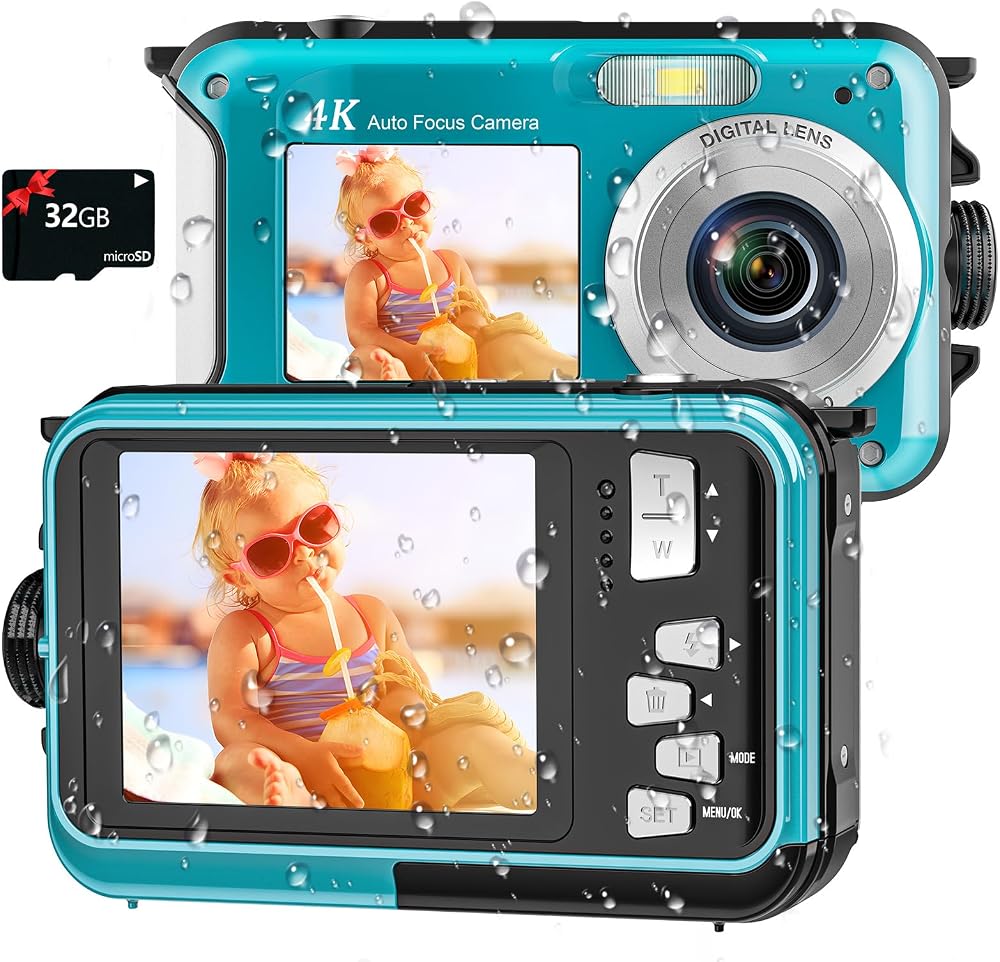
This 16-foot waterproof camera positions itself as a step up from shallower budget underwater cameras targeting snorkelers and casual divers who venture beyond the surface but don’t need professional depth ratings. The 64MP sensor delivers noticeably larger image files than the 48MP models reviewed earlier, which matters if you plan to crop heavily or print large. In clear, well-lit water within the first ten feet, the extra resolution captures fine detail in coral textures and fish scales that lower-resolution sensors smooth over.
The dual-screen design, a rear LCD and a front-facing display, makes framing selfies and group shots straightforward without guesswork. You see yourself as you compose, which cuts down on wasted shots and missed moments when you’re holding the camera at arm’s length. The front screen is smaller and lower resolution than the main display, but it’s bright enough to use in sunny shallows.
At 16 feet, this camera handles most recreational snorkeling and pool diving comfortably. You’re covered for exploring shallow reefs, swimming with sea turtles in tropical bays, or diving to the bottom of a resort pool. It won’t satisfy scuba divers who descend past 20 feet, but for surface-oriented adventures it provides adequate margin. The 4K video captures smooth motion in bright conditions, though image quality drops noticeably in murky water or low light where the sensor struggles.
The bundled 32GB card is a practical inclusion, enough for a full day of mixed shooting without swapping media, and the camera’s 4.1 rating from 28 customers suggests reasonable real-world reliability. The higher megapixel count does drain the battery faster than lower-resolution models, so plan on recharging nightly during multi-day trips. If you’re snorkeling daily on vacation and want detailed stills with easy selfie framing, the combination of depth rating, resolution, and dual screens makes sense. Just recognize that megapixel count alone doesn’t guarantee better underwater images; lighting and water clarity matter more than sensor specs once you’re past casual viewing size.
Maxmango D70 Underwater Camera,10FT Waterproof Camera,4K 48MP Compact

The Maxmango D70 sits at the most accessible end of the underwater camera spectrum, targeting first-time buyers, teens, and families who want pool and beach capability without a significant investment. Its 10-foot waterproof rating handles recreational swimming, snorkeling in calm shallows, and water park adventures, activities where you’re unlikely to descend beyond a couple of body lengths. The 4K video and 48MP stills deliver sharper imagery than most smartphones in waterproof cases, though the sensor is small and struggles in low light or murky water.
The dual-screen design proves genuinely useful for selfies and group shots: you frame yourself on the front display while the rear touchscreen handles settings and playback. Autofocus works reasonably well in good light, locking onto subjects within a second or two, but hunting becomes noticeable in deeper or cloudier conditions. The compact, lightweight build makes it easy for younger users to handle, and the included 16GB card means you can start shooting immediately without additional purchases, a thoughtful touch that echoes the used camera value philosophy of getting everything needed in one package.
This camera excels at hotel pool documentation, tropical resort snorkeling where reefs sit five to eight feet down, and capturing kids playing in waves. It’s less suited to serious diving, fast-moving water sports that demand advanced stabilization, or scenarios requiring manual control over exposure. The 10-foot limit means you’ll skip any wreck exploration or deeper reef diving, but for casual swimmers who want reliable underwater memories without studying a manual, the D70 hits the sweet spot between throwaway disposables and dedicated dive cameras. Battery life supports a typical beach day, and the straightforward menu keeps frustration low for users who just want to point and shoot.
Which Camera Is Right for Your Adventures
Matching your underwater photography needs to the right camera means starting with how deep you’ll actually go and what you’ll do down there. A shallow snorkeler has completely different requirements than a wreck diver at 40 feet or a surfer capturing barrel rides.
For serious divers exploring depths beyond 30 feet the AKASO EK7000 Pro with its 131-foot rating delivers the protection you need without the bulk of professional housings. The touchscreen interface makes settings adjustments easier when you’re managing buoyancy and limited bottom time, and the electronic stabilization helps compensate for current-induced camera shake. If you’re documenting reef conditions or capturing wide-angle seascapes, this depth capability gives you real confidence that a seal failure won’t end your dive computer’s day too.
Casual snorkelers and pool photographers find the 4K Underwater Camera with 11-foot rating perfectly adequate since most snorkeling happens in the 5-10 foot range. The dual screens make framing selfies with tropical fish intuitive, the floatable design prevents loss if you drop it, and the autofocus handles the constantly changing distances as subjects dart past. Parents capturing kids’ swim lessons or vacation memories don’t need 131-foot ratings, they need something that turns on quickly and doesn’t require reading a manual.
Action sports enthusiasts mounting cameras to surfboards, kayaks, or helmets should prioritize the standard AKASO EK7000 for its extensive mounting ecosystem and WiFi remote control. The ability to trigger recording without touching the camera matters when you’re paddling into a wave or navigating rapids. The remote also lets you check framing from your wrist rather than surfacing to review footage.
Consider these specific matches:
- Technical divers and underwater fishing enthusiasts: AKASO EK7000 Pro for depth rating and stabilization
- Family vacationers and beginners: Maxmango D70 or 11FT model for simplicity and included accessories
- Content creators needing higher resolution: 64MP 16FT model for detailed stills and 4K video quality
- Budget-conscious first-time buyers: Maxmango D70 balances capability with lower investment risk
- Adventure travelers doing multiple water activities: AKASO EK7000 (non-Pro) for mounting versatility
Content creators who monetize underwater footage benefit from the 64MP model’s higher resolution for cropping flexibility in post-production and the improved sensor performance in lower light conditions beneath the surface. The 16-foot rating covers most recreational scenarios while the dual-screen design helps frame shots when you can’t easily reposition behind the camera.
For specialized applications like underwater fishing cameras where you’re monitoring lines and bait rather than capturing memories, different form factors and mounting requirements apply entirely.
The decision framework that works: write down your three most common underwater scenarios, note the typical depths, then identify whether you’re primarily shooting video or stills. A surfer shooting 90% video has vastly different needs than a snorkeler wanting fish identification photos. Match the depth rating to your deepest regular use plus a 10-foot safety margin, then choose based on whether mounting flexibility or image quality matters more for your actual shooting style.
Common Mistakes to Avoid When Buying
Most buyers focus on flashy specs while missing practical dealbreakers that surface only when you’re already on vacation. Here are the traps to sidestep before you swipe your card.
Underestimating depth requirements is the most common error. That 10-foot rating sounds adequate for pool use, but coral reefs and popular dive sites routinely reach 20 to 40 feet. Many snorkelers kick deeper than they realize when following marine life, and shallow ratings become useless if you decide to try scuba diving later. Match your camera’s depth rating to your most ambitious planned activity, not just your typical use.
Ignoring battery performance creates real problems during all-day excursions. Cold water drains batteries faster than specs suggest, and many compact underwater cameras deliver only 60 to 90 minutes of continuous recording. If you’re planning boat trips, multi-dive days, or remote locations without charging access, check whether spare batteries are available and budget for at least two extras. Cameras with proprietary batteries leave you stranded when the original dies.
Chasing megapixels over usability misses the point. A 64MP camera with laggy autofocus and a confusing menu will frustrate you underwater, where you can’t easily review settings. Responsive controls, reliable autofocus, and an intuitive interface matter far more than resolution when you’re floating in current and your subject won’t hold still. Test the camera’s handling before committing if possible.
Overlooking lighting needs becomes obvious only when you review flat, bluish footage from deeper water. Built-in cameras struggle below 15 feet without external lighting. If you plan to shoot anything beyond shallow snorkeling, verify that your camera has a mount for video lights or strobes and research the accessory cost upfront. The camera might be affordable, but the lighting ecosystem can double your total investment.
Forgetting about the accessory system locks you into limitations. Action cameras offer abundant mounts, grips, and housings; proprietary point-and-shoots often don’t. Consider whether you’ll want floating handles, chest mounts, dome ports for split shots, or red filters for color correction. A camera with limited accessory support becomes a dead end when your needs evolve.
What to Look For
When choosing an underwater camera, the most critical factor is maximum depth rating, match it to your actual diving or snorkeling depth plus a safety margin, not marketing claims. If you’re pool-swimming or surface snorkeling, 10 to 16 feet suffices; serious divers need 100+ feet or a dedicated housing.
Image quality matters beyond megapixel counts: look for larger sensors, fast autofocus in low light, and effective image stabilization for sharp underwater shots where you’re constantly moving. Video shooters should prioritize frame rates (4K at 60fps beats 4K at 30fps for smooth action) and built-in color correction for blue-water environments.
Battery life becomes crucial on extended dives or multi-day trips where recharging isn’t convenient, check whether spare batteries are available and affordable. Evaluate the accessory ecosystem: mounting options, lighting arms, external monitors, and housing compatibility determine whether you can expand capabilities as your skills grow.
Form factor affects real-world usability more than specs suggest. Compact point-and-shoots work for casual users; action cameras excel at mounting flexibility; larger housings with manual controls suit advanced photographers. Test buttons and menus with wet hands if possible, touchscreens often fail underwater, making physical controls essential for reliable operation in the field.
Frequently Asked Questions
What does a camera’s waterproof depth rating actually mean in practice?
The depth rating indicates the maximum water pressure the camera can safely handle, measured from the surface. If a camera is rated to 10 feet, you can use it at that depth, but consider it’s also handling wave impact and pressure changes while swimming, so staying within 75% of the rated depth provides a safety margin for active use.
Can I really use my smartphone for underwater photography?
Modern smartphones like the iPhone 16 can capture underwater footage when paired with a quality waterproof case, but they face limitations with touch controls underwater and fogging issues. They work fine for casual pool and snorkeling shots down to 10-15 feet, but dedicated cameras offer better ergonomics and reliability for serious underwater work.
Should I choose an action camera or a dedicated waterproof camera?
Action cameras like the GoPro HERO13 excel at wide-angle video, mounting versatility, and rough handling, making them ideal for water sports and dynamic activities. Dedicated waterproof cameras typically offer better zoom capabilities, optical viewfinders, and easier manual controls for composed shots, suiting divers and underwater photographers who want more creative control.
Do I need to buy a separate housing for my underwater camera?
Many action cameras like GoPros are waterproof to 10 meters without a housing, which covers most recreational activities. You only need an additional housing if you’re diving deeper than the camera’s built-in rating or want extra protection against impacts and scratches in harsh environments like surf zones or rocky entries.
Beyond these common questions, remember that regular maintenance matters as much as choosing the right camera. Rinse your camera thoroughly with fresh water after every saltwater use, even if you only dipped it briefly. Salt crystals can form in seals and buttons, compromising waterproofing over time. Check O-rings and seals before each dive, and replace them annually if you use the camera frequently. Store the camera with the battery compartment open to prevent moisture buildup.
One mistake many beginners make is assuming megapixels directly correlate with underwater image quality. While resolution matters for cropping and printing, lens quality and sensor size have far more impact on how your photos look in challenging underwater lighting. A 20MP camera with a larger sensor and quality lens will consistently outperform a 64MP camera with a tiny sensor in low-light reef environments.
The cameras reviewed in this guide represent different points on the capability and price spectrum, each serving specific needs. Match your choice to your actual diving depth, activity level, and whether you prioritize stills or video. Your first underwater camera doesn’t need to be your last one as your skills and ambitions grow, so start with something that meets your current needs rather than overbuying for hypothetical future adventures.
Choosing the right underwater camera comes down to honest assessment of where and how you’ll actually use it. A 10-foot rating serves pool photography and surface snorkeling perfectly well, while serious divers need 30 feet or deeper to explore reefs safely. Form factor matters just as much: action cameras offer mounting versatility for kayaking and surfing, while dedicated waterproof compacts with dual screens simplify composition for family beach trips.
Don’t let megapixel counts distract you from what truly matters underwater. The best camera is the one that matches your depth requirements, fits your activity style, and feels intuitive enough that you’ll bring it on every trip. Start with your typical water environments, consider your skill level honestly, and choose a model that removes barriers between you and the shot.
The underwater world offers incredible moments worth preserving. With the right camera in hand, matched to your specific adventures, you’re equipped to bring those memories back to share. Test your seals, pack extra batteries, and get out there.
Full transparency: this article contains affiliate links. We may be paid a commission if you make a purchase. As an Amazon Associate I earn from qualifying purchases.



 By
By