Shooting panoramic film with a Lomography camera requires nothing more than loading 35mm film, framing your scene across the camera’s ultra-wide field of view (typically 170 degrees), and advancing the frame after each shot. The entire process takes about the same time as shooting with any analog camera, though you’ll need to think differently about composition since you’re capturing roughly three times the horizontal view of a standard frame.
Lomography’s panoramic cameras, like the Horizon Perfekt and Sprocket Rocket, offer an accessible entry point into wide-format analog photography without the bulk and …
Photographic Printmaking: What It Is, How to Get Started, and Where to Learn More
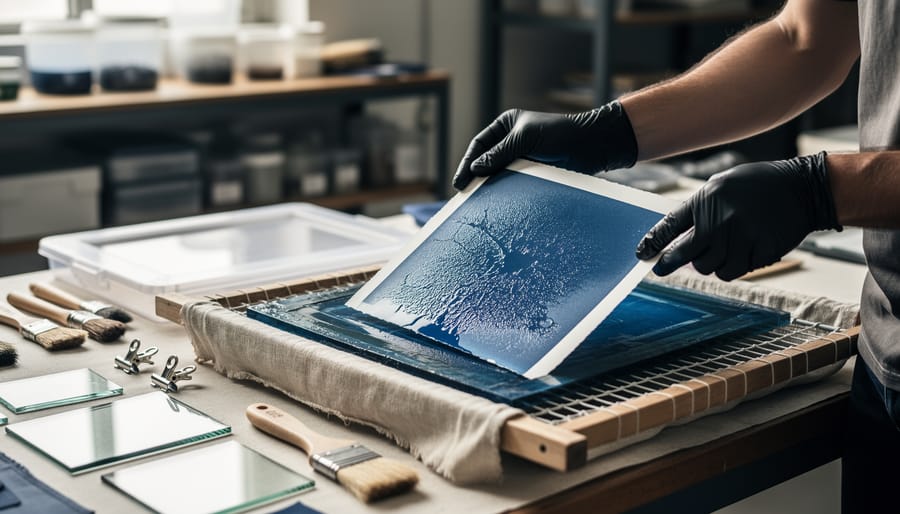
Photographic printmaking fuses camera-based imagery with hands-on printmaking techniques, transforming digital or analog photographs into tactile, one-of-a-kind artworks through processes like cyanotype, gum bichromate, platinum/palladium printing, and screen printing. Unlike sending a file to a lab for standard prints, this practice requires you to coat paper or fabric with light-sensitive emulsions, expose them under UV light or in a darkroom, and develop each piece manually. The result is art that carries the photographer’s direct touch, with textures, tonal variations, and unpredictable quirks that no inkjet can replicate.
…
The Camera Settings Most Photographers Actually Use (And Why They Work)
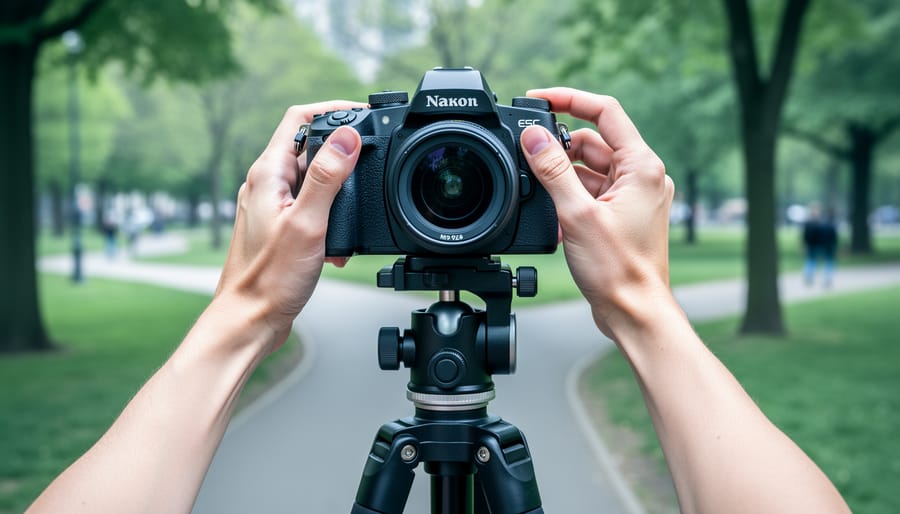
Normal camera settings are a trio of foundational controls that work together in predictable harmony: ISO 100 to 400 for clean images in good light, aperture between f/5.6 and f/8 for balanced sharpness, and shutter speed at 1/125th or faster to freeze everyday motion. These baselines give you sharp, well-exposed photos in typical daylight conditions without requiring moment-to-moment adjustments or complex technical knowledge.
Think of these settings as your photographic center point. Just as a recipe starts with standard measurements before you adjust for taste, …
Black and White Portrait Photography: How to Master Light, Shadow, and Timeless Expression
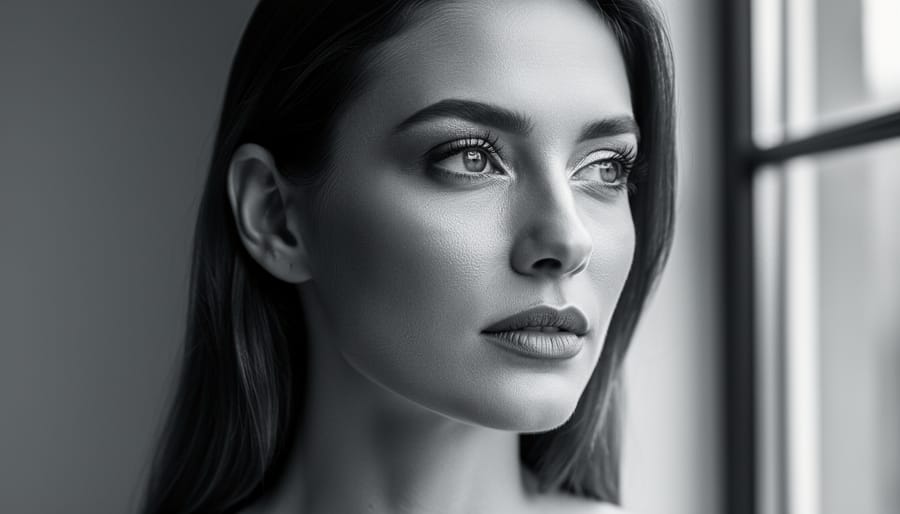
Black and white portrait photography strips away the distraction of color to reveal the essential elements that make an image powerful: light, shadow, texture, and emotion. By eliminating the chromatic layer, you force the viewer to focus on form, contrast, and the subtle interplay of tones that define a face, making every wrinkle, glance, and highlight count toward the story you’re telling.
This technique isn’t just a nostalgic throwback. It remains one of the most effective ways to create timeless, emotionally resonant portraits because it simplifies your visual language while amplifying mood. When you shoot in …
How to Capture Stunning Infrared Landscape Photography (From Setup to Final Shot)
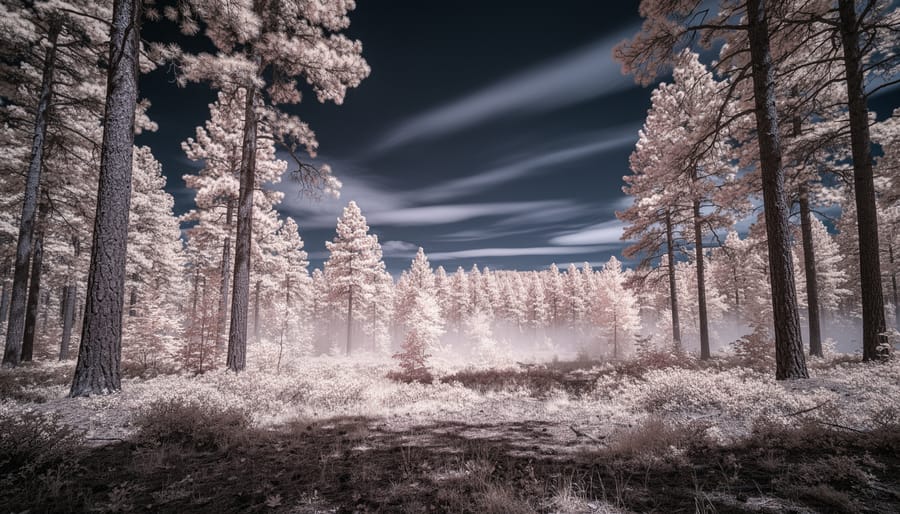
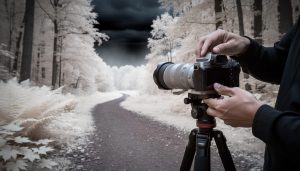
Infrared landscape photography transforms familiar scenes into otherworldly images by capturing light invisible to the human eye. To shoot infrared landscapes, you need either a camera converted to infrared or a standard camera with an infrared filter, followed by careful white balance adjustment in the field and post-processing to reveal the signature look: white foliage, darkened skies, and luminous clouds. The process takes about 15-20 minutes per scene once you’re set up, though converting a camera (if you choose that route) requires sending it to a specialist for modification.
The appeal is immediate. Trees and grass …
Why Is My Tripod Jib Unstable? Causes and How to Fix It
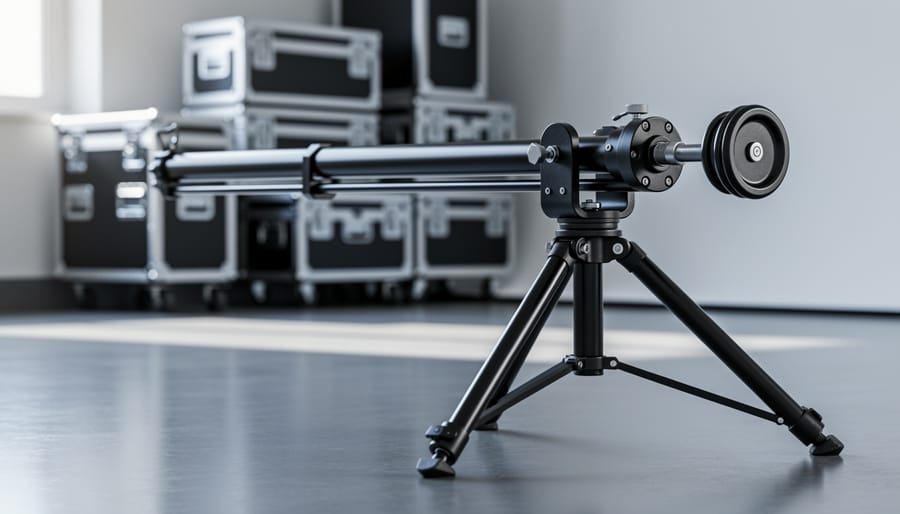
Nine times out of ten, a wobbly or jerky tripod jib traces back to a single culprit: an improperly balanced arm. Before you start second-guessing your gear or shopping for replacements, grab a spirit level and check whether your jib’s counterweight matches the camera load. If the arm drifts up or down when you release it at mid-height, you’ve found your problem.
The fastest diagnostic is simple. Loosen the jib’s pan lock, position the arm horizontally, and let go. A properly balanced jib should hold position without creeping. If it sags toward the camera or floats toward the counterweight, adjust the rear weights …
Prepping a Car for a Photo Shoot: Why Ceramic-Coated Finishes Photograph Better
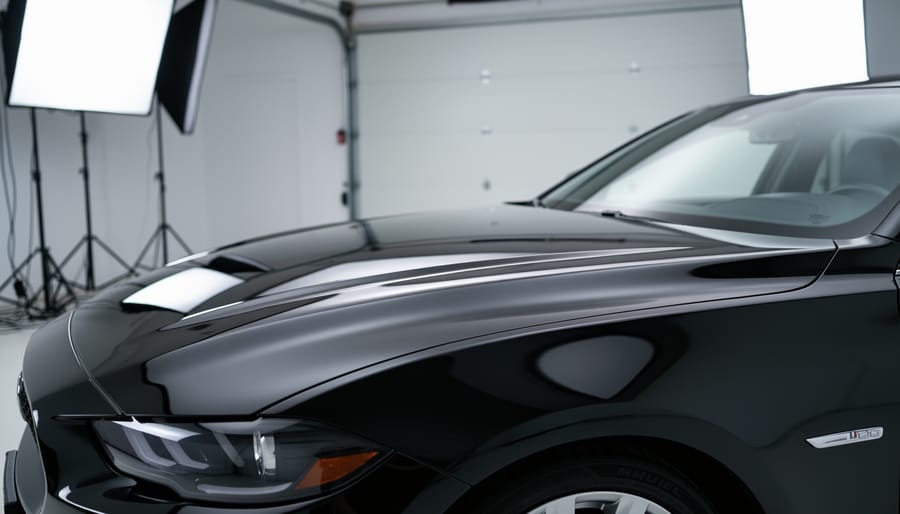
Prepping a ceramic-coated car for a photo shoot requires three essential steps: thorough decontamination, proper lighting assessment, and strategic reflection management. The entire process takes about two to three hours and delivers a mirror-like finish that photographs dramatically better than traditional wax or sealant finishes. The difference isn’t subtle. Ceramic coatings create a glass-like surface that amplifies depth, color saturation, and clarity in ways that transform automotive photography from good to exceptional.
The science behind this visual impact lies in the coating’s hydrophobic properties and uniform …
How to Shoot Infrared Photography with the Air Jordan 7 ‘Infrared’ Colorway
Shooting the Air Jordan 7 ‘Infrared’ sneaker with infrared photography creates ethereal, otherworldly images that transform the iconic colorway into something collectors and product photographers haven’t seen before. The technique requires a full-spectrum or infrared-converted camera, an infrared-pass filter (typically 720nm or 850nm), and careful attention to light sources since infrared responds dramatically differently than visible light to materials and heat signatures.
The creative payoff is substantial. Standard product photography of the Infrared 7s captures the classic black nubuck and infrared accents as …
How to Capture Stunning Human Macro Photography: A Step-by-Step Guide
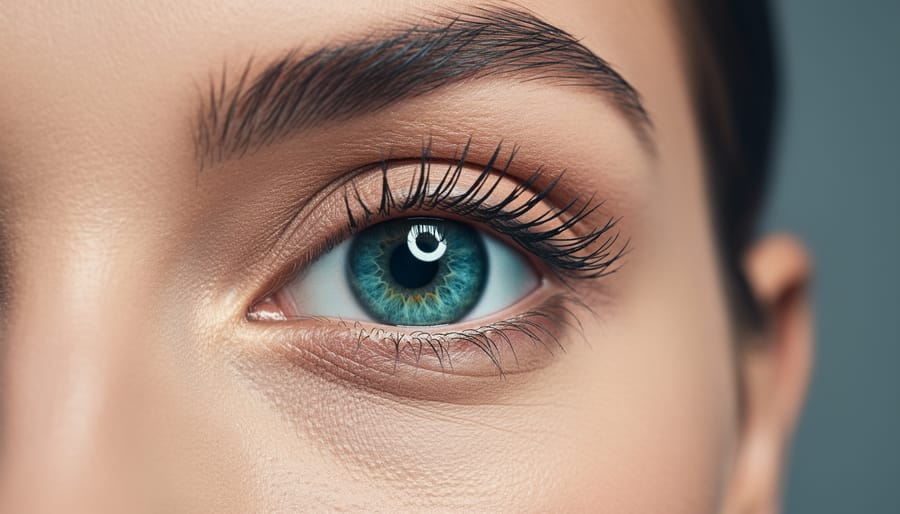
Human macro photography means capturing extreme close-ups of eyes, skin, lips, and other features at magnifications of 1:1 or greater, revealing textures and details invisible to the naked eye. Unlike photographing static flowers or insects, you’re working with a living subject who blinks, breathes, and needs to stay comfortable while you position a lens just inches from their face. The technique demands specialized macro lenses (typically 90mm to 180mm), precise manual focus, careful lighting to avoid harsh shadows or discomfort, and constant communication to keep your subject relaxed.
The challenge is twofold: technical …
5G Patent News Update: What Changed and What to Watch in 2026
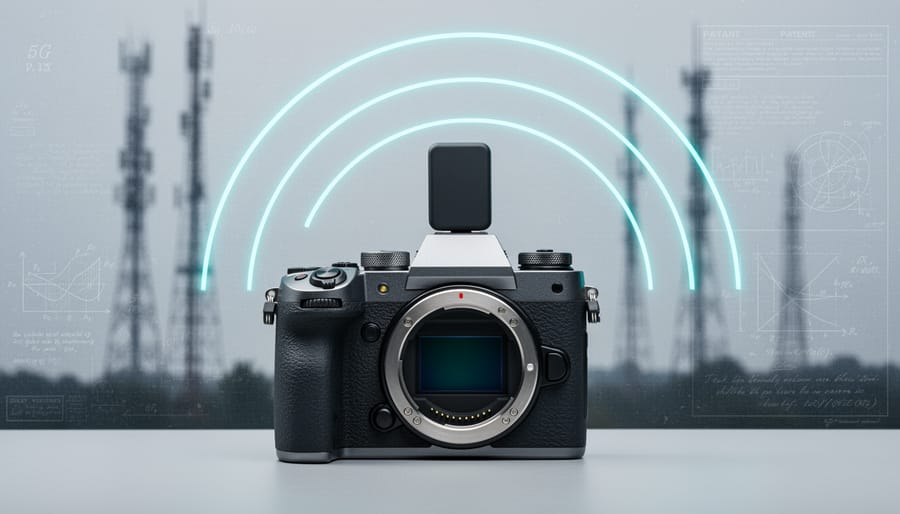
The 5G patent landscape shifted significantly in 2026, forcing camera manufacturers to navigate new licensing fees, cross-licensing agreements, and legal challenges that directly affect whether your next mirrorless body will include cellular connectivity. If you’re tracking why some brands can offer built-in 5G transmission while others remain tethered to Wi-Fi, the answer lies in a complex web of standard-essential patents controlled by telecommunications giants, not the camera companies themselves.
Recent developments have changed the cost calculus for integrating 5G into imaging devices. Patent pools have restructured their…